2. Community groups

COMMUNITY GROUPS

(Scroll the carousel)

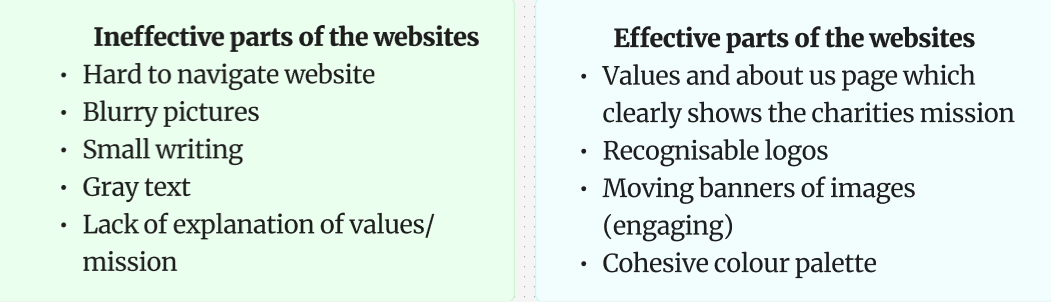
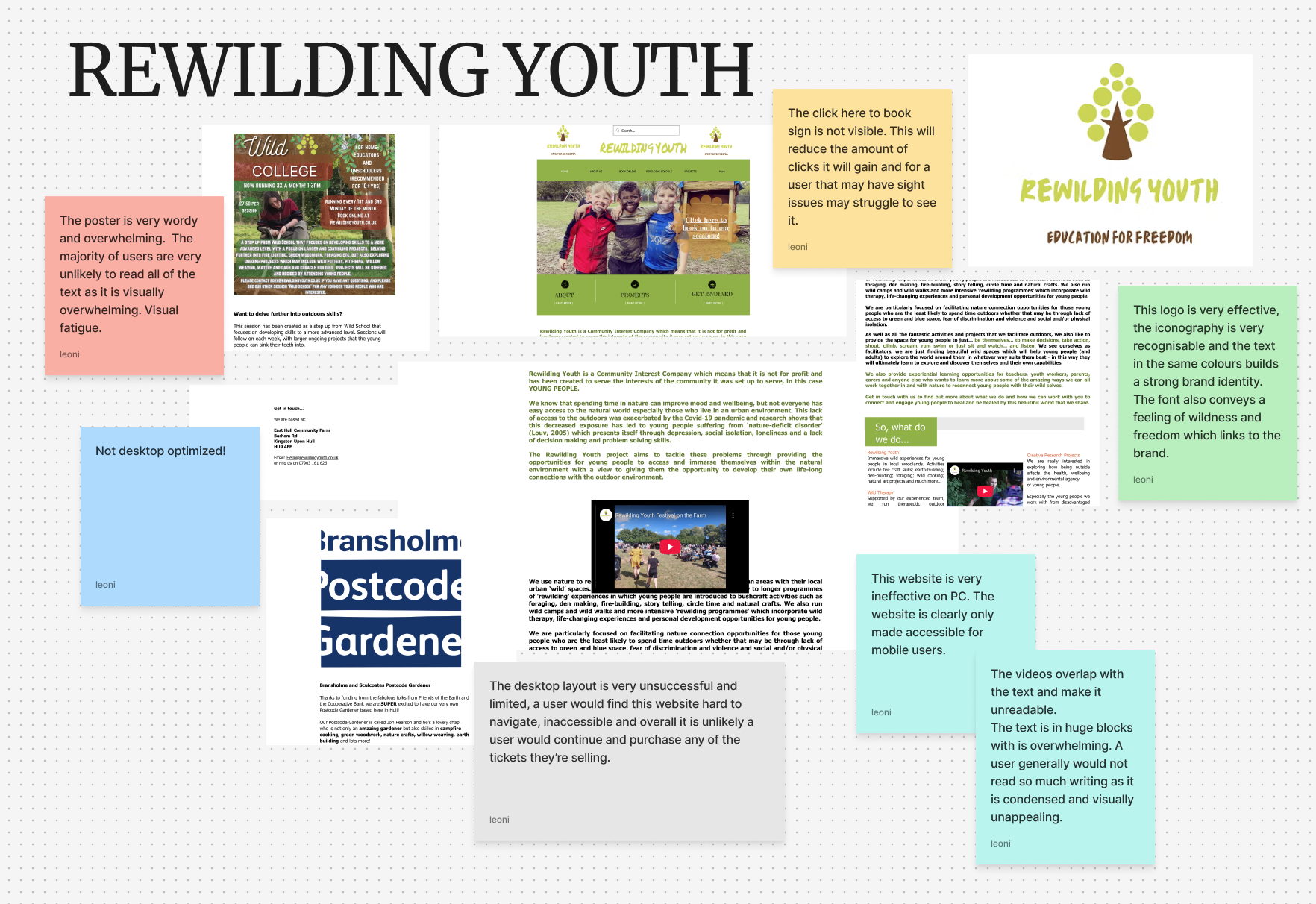
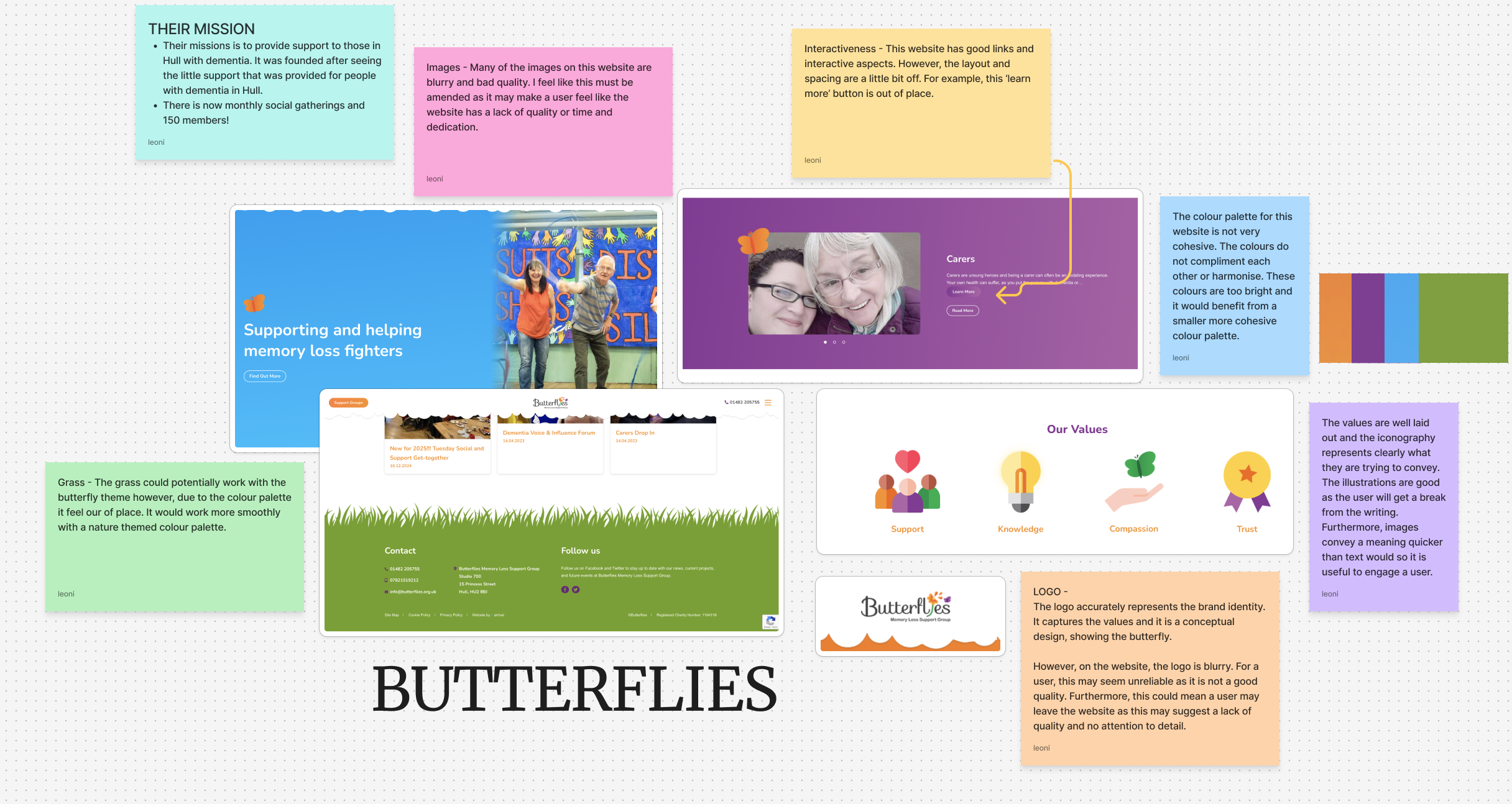
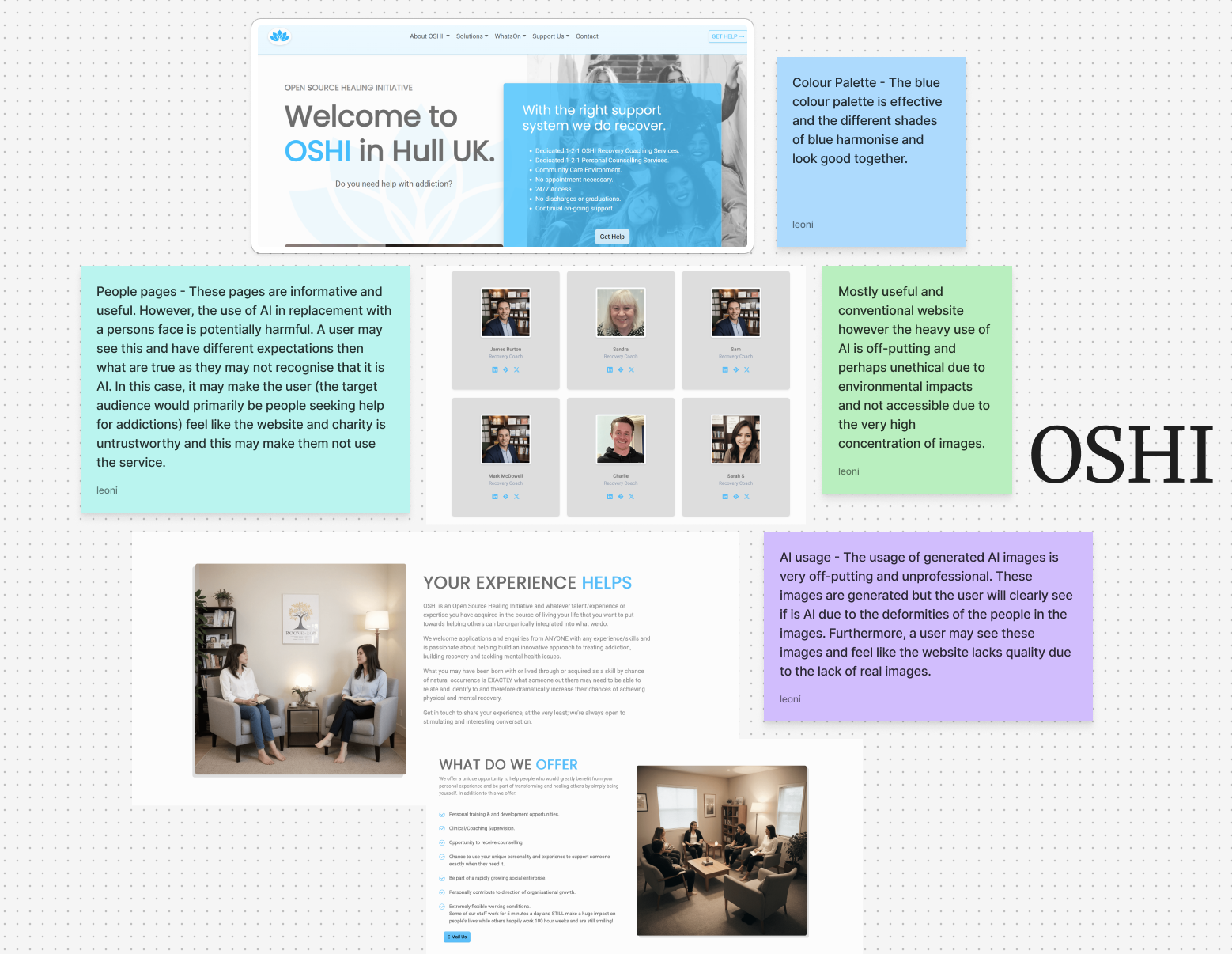
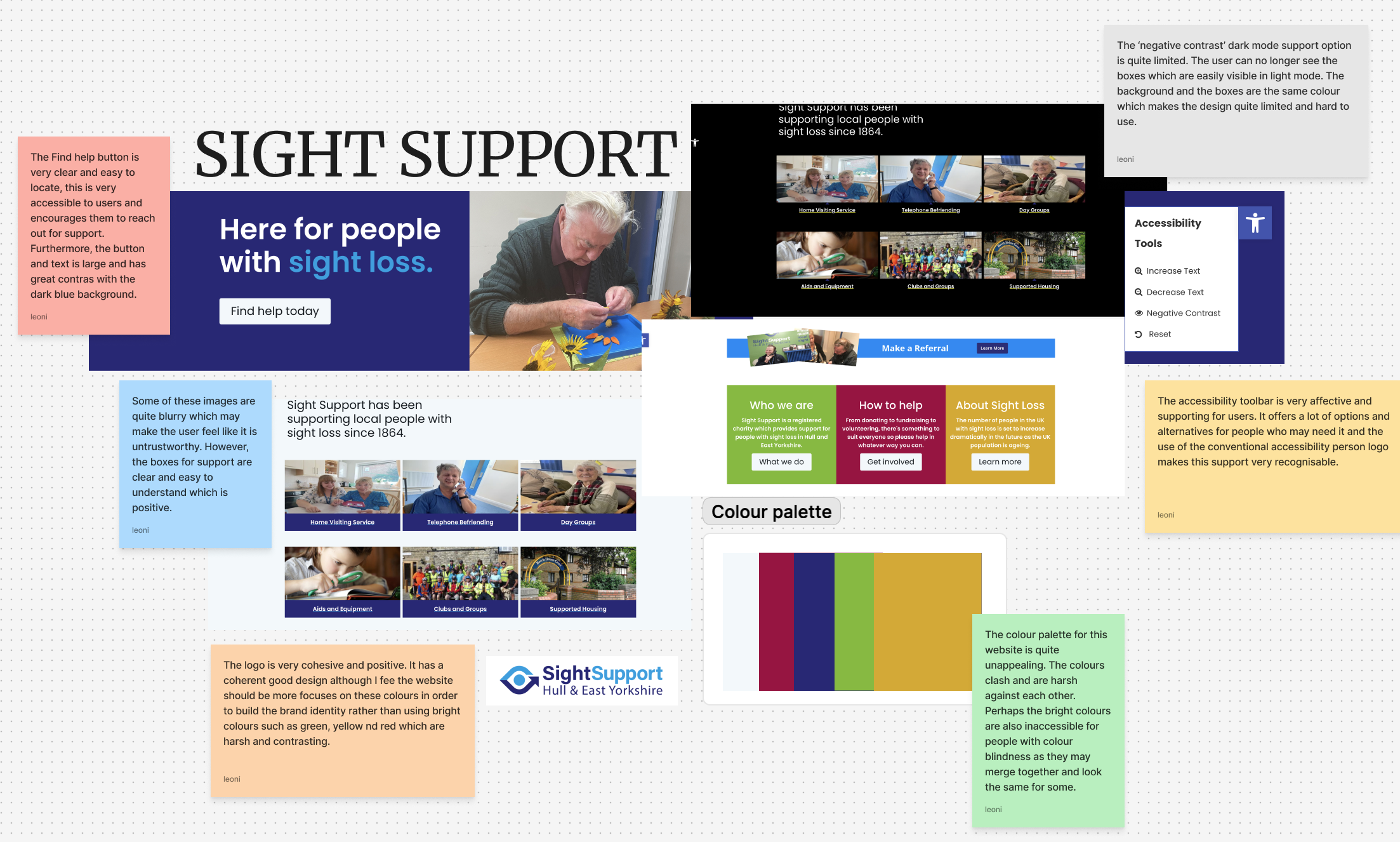
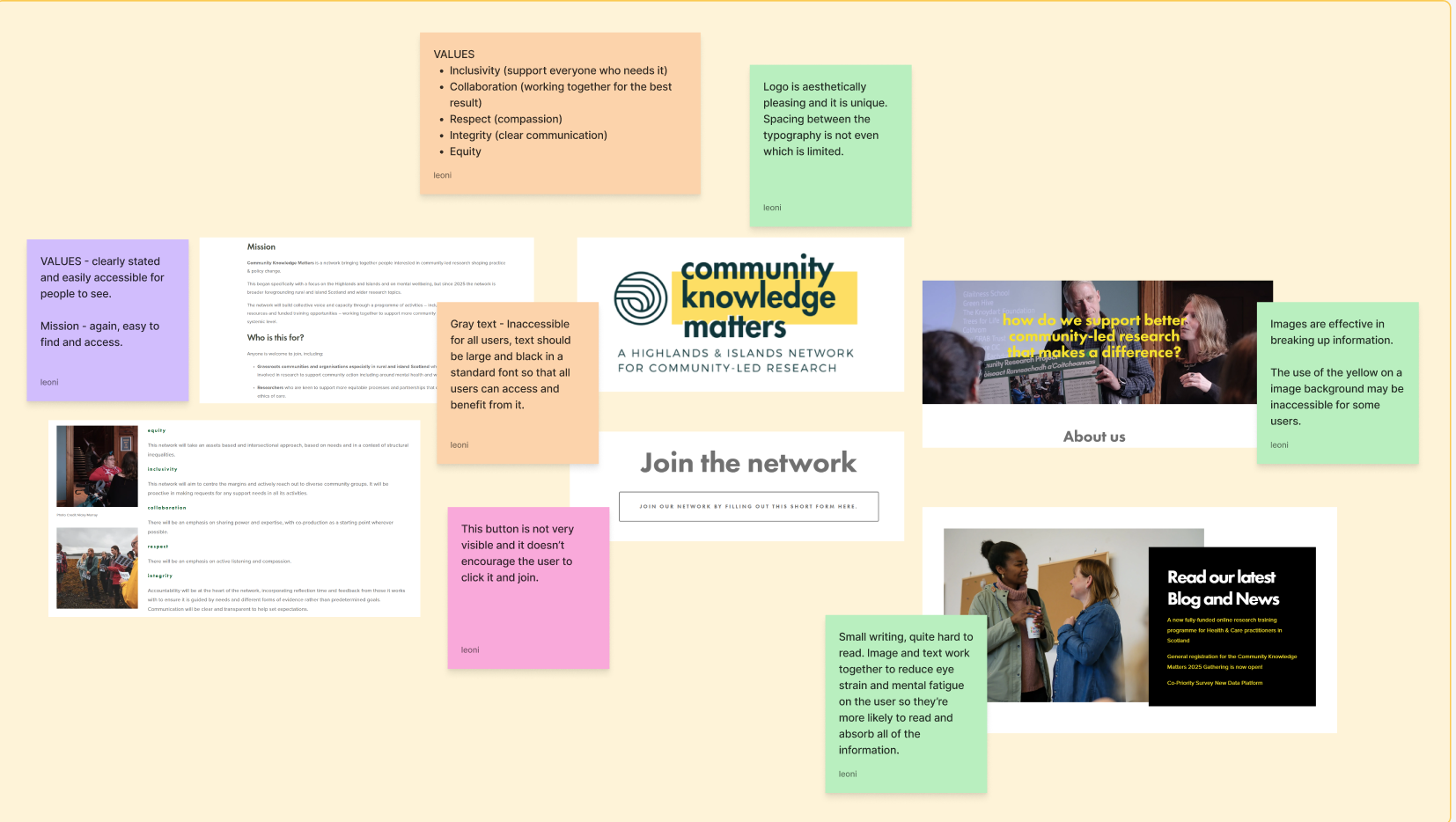
After thorough research on these charities, it was clear to me that they all have a clear passion for building a supportive community. Their values and mission are clearly represented and each one has a strong brand identity. However, it is clear that these websites are underdeveloped and need further designing whether that be through utilising clearer images, removing AI images (that are very harmful to the environment) or making the website have a more adaptive design for both desktop and mobile.

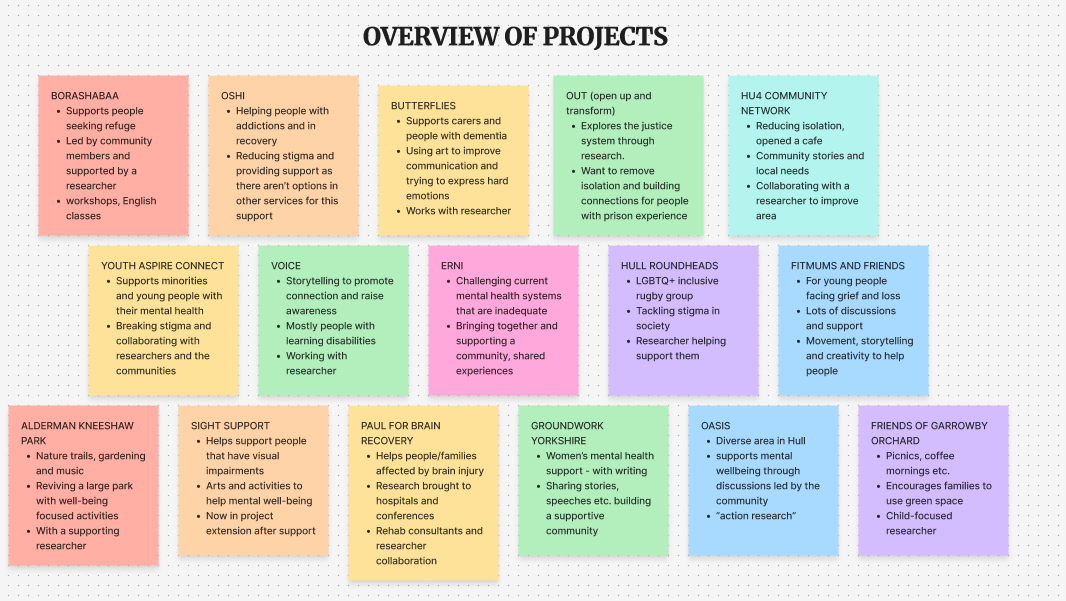
There are many examples of local communities that have been funded by the Ideas fund. All of these charities have a clear mission to create change and support the local communities. It’s clear that they all have similar values which include: sharing stories, building a safe community, reducing stigma and raising awareness. 


All of these charities have unique stories which they make clear through expressive storytelling which is important to humanise their charities. “Storytelling is important for charities because it connects with people on an emotional level, making abstract problems tangible and inspiring them to donate, volunteer, and advocate for the cause” (Figure 1) and this is clear as human connection is one of the most important values of the participatory collective.

SOCIAL MEDIA

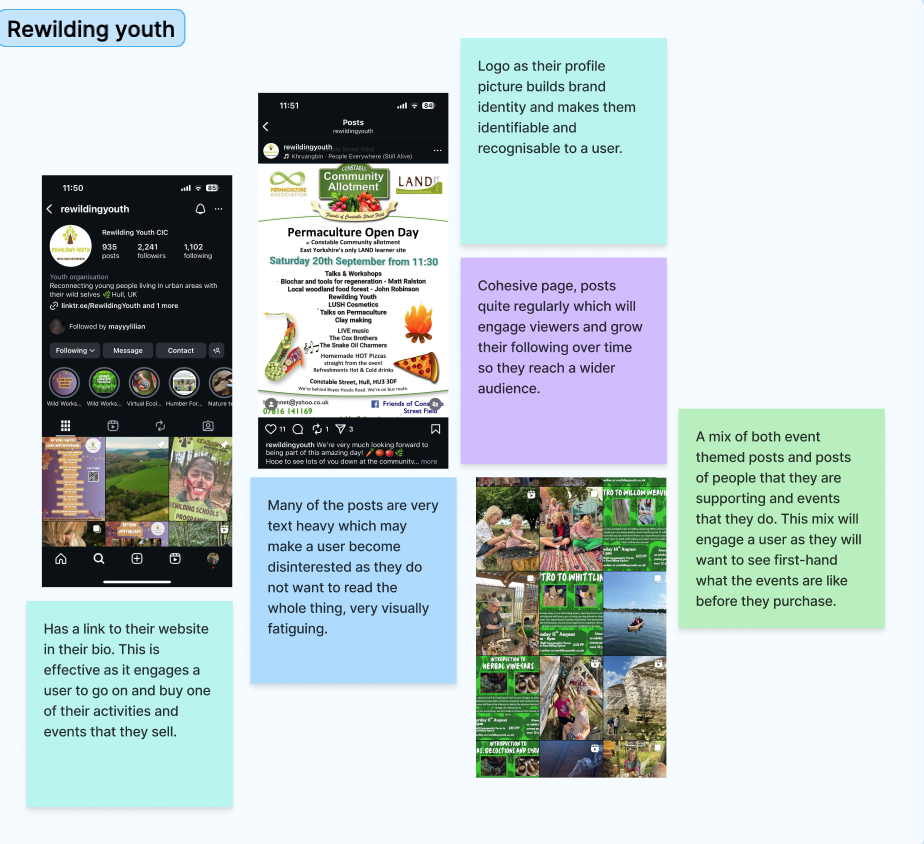
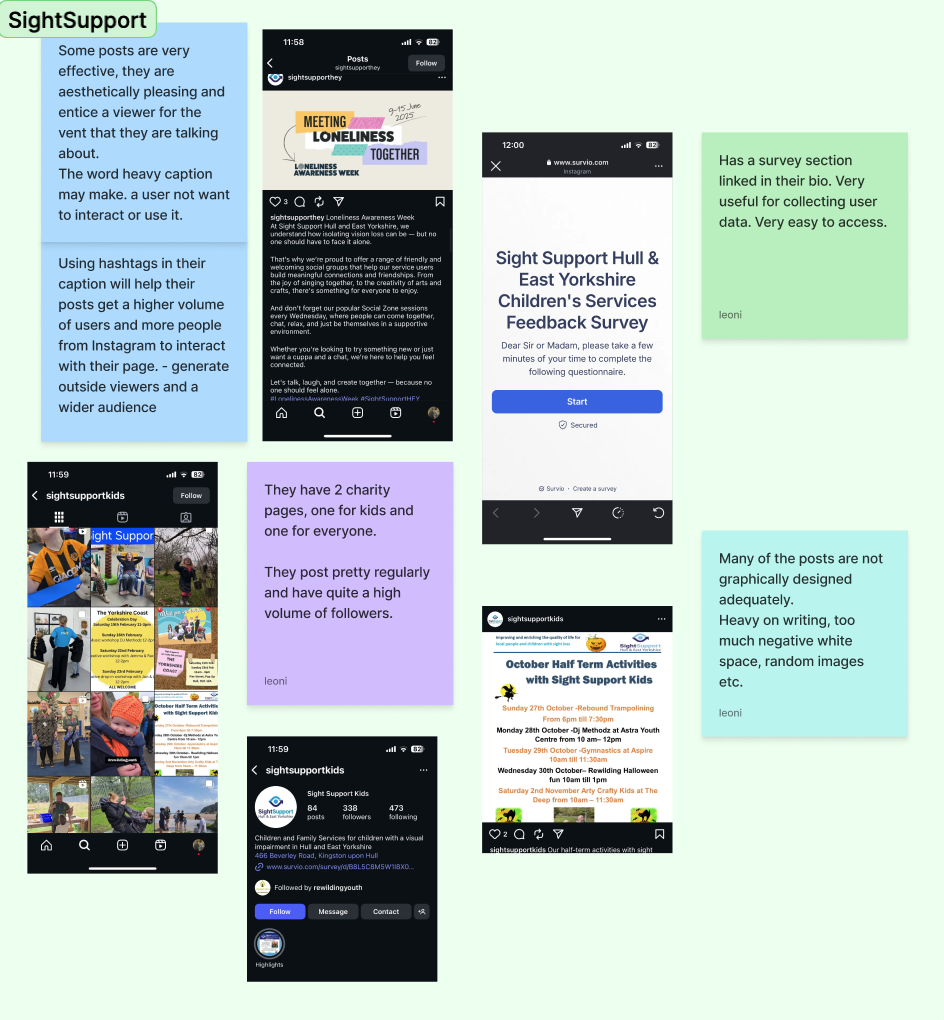
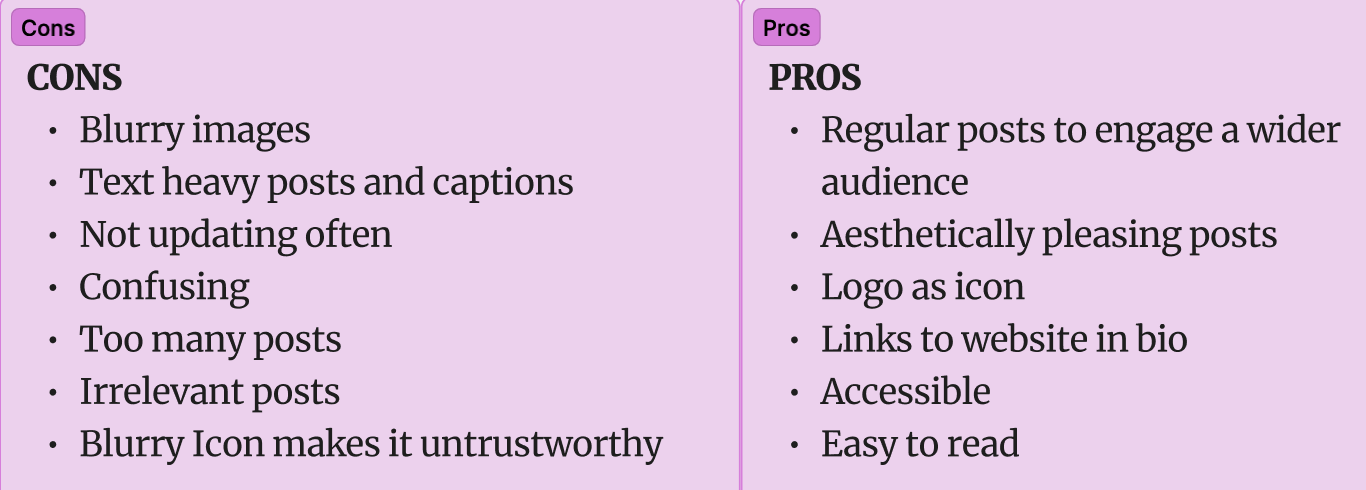
However, many of these charities are limited due to their underdeveloped websites and lack of social media. In current times, we are arguably in the Web 3.0 (“Web 3.0 seeks to create a user-owned and community-governed internet”(Figure 2) meaning that the use of social media and websites is vital in order to get a clear presence and build support systems) which means that many businesses and charities will rely on their online presence to be seen and get funding. In current research, “Only a third of the public (35%) have encountered any media coverage about charities at all” (Figure 3) and this is very problematic as utilising the media is very important to find sponsors and researchers. For example, the website and social media for rewilding hull is limited due to its lack of design. The social media and website is crowded and not aesthetically appealing which may make a user think it is untrustworthy and click off. Furthermore, if a funder or a researcher cannot navigate the website it will be harder for them to provide support and help. It is clear that “Charities are missing opportunities to engage with the public on social media” (Figure 4) as many of the charities within the participatory collective do not have any social media at all and if they do it is often old or does not post.
OTHER COLLECTIVE GROUPS

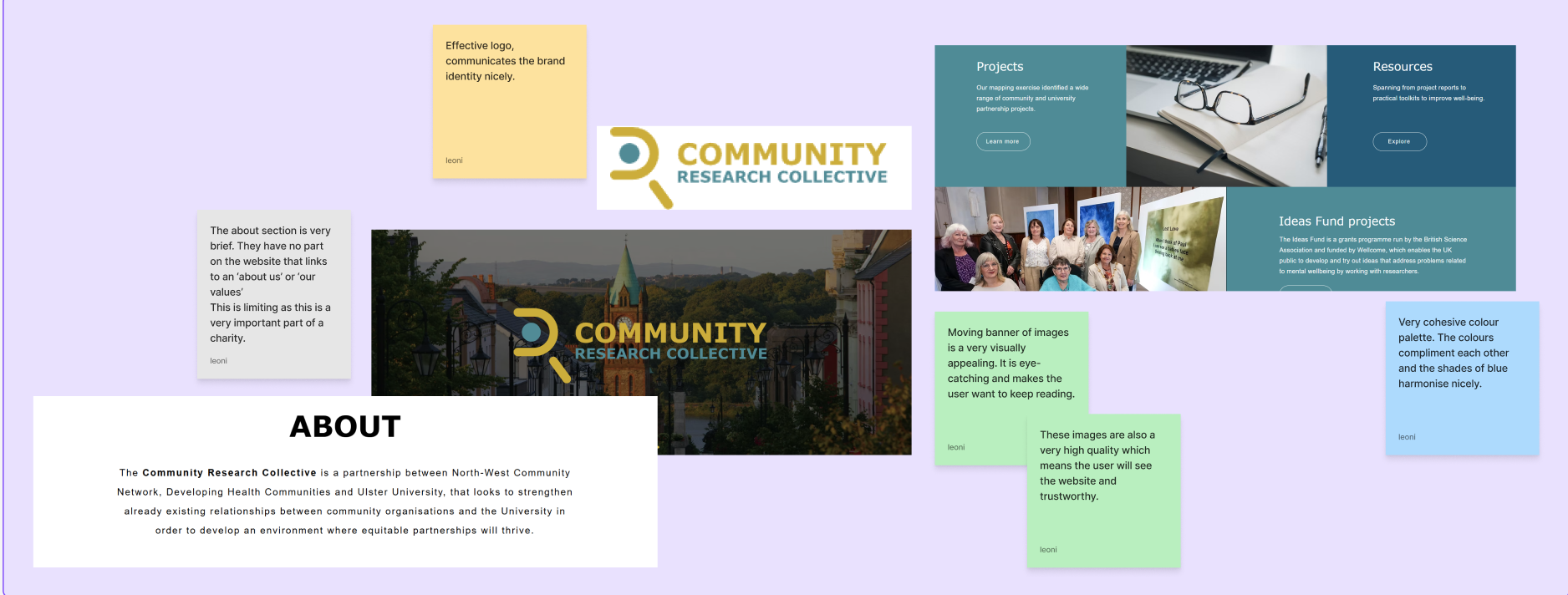
There is a clear strength in all of these communities as their values and message is clear. These communities are working towards encouraging the policy makers to make a change and help the community. Their design is simple but is is effective, building brand identity through a clear logo, engaging the audience through moving banners and really emphasising the mission of each charity equally. I would like to utilise the clear depiction of the values and mission within the participatory collective as well as engaging website elements such as an image carousel (which I have used throughout my elementor pages).


References


Figure 1 – CraighMyle (N.D) Understanding the importance of storytelling https://craigmyle.org.uk/2024/09/09/the-power-of-storytelling-fundraising-tips-for-charities/#:~:text=Fundraising%20for%20charities%20can%20be,%2C%20volunteers%2C%20and%20staff%20members. (Accessed 20th October 2025)


Figure 2 – Bernard Marr (2024) What is Web3? https://www.youtube.com/watch?v=Doz47OvUAEk#:~:text=Web%203%20is%20transforming%20online%20interactions%20by,a%20more%20inclusive%20and%20user%2Dcentric%20web%20experience.  (Accessed 20th October 2025)


Figure 3 -NFPResearch (2024) Charity Media Coverage in 2024 https://nfpresearch.com/blog/media-coverage-202 (Accessed 20th October 2025)


Figure 4 – Liam Kay (2017) Charities ‘failing to make the most of social media and news’ outside major crises https://www.thirdsector.co.uk/charities-failing-social-media-news-outside-major-crises/communications/article/1449612#:~:text=The%20report%20says%20there%20was,social%20media%20coverage%20and%20engagement. (Accessed 20th October 2025)