Task 3 – Developing ideas and concepts in Art Direction practice

001 Art Direction Research Blog

5 A DAY COLLABORATIVE PROJECT WITH LEAH

INITIAL RESEARCH

Initially, Leah and I identified our target audience as University students who struggle to afford and have no time for their 5 a day. When choosing our target audience we decided we wanted an aesthetically pleasing campaign that will be encouraging and eye-catching. 


Affordability was a key part in our campaign and we focused on promoting the most affordable fruit and vegetables such as broccoli, apples and oranges which we found during our research. 

EARLY DESIGNS AND SKETCHES

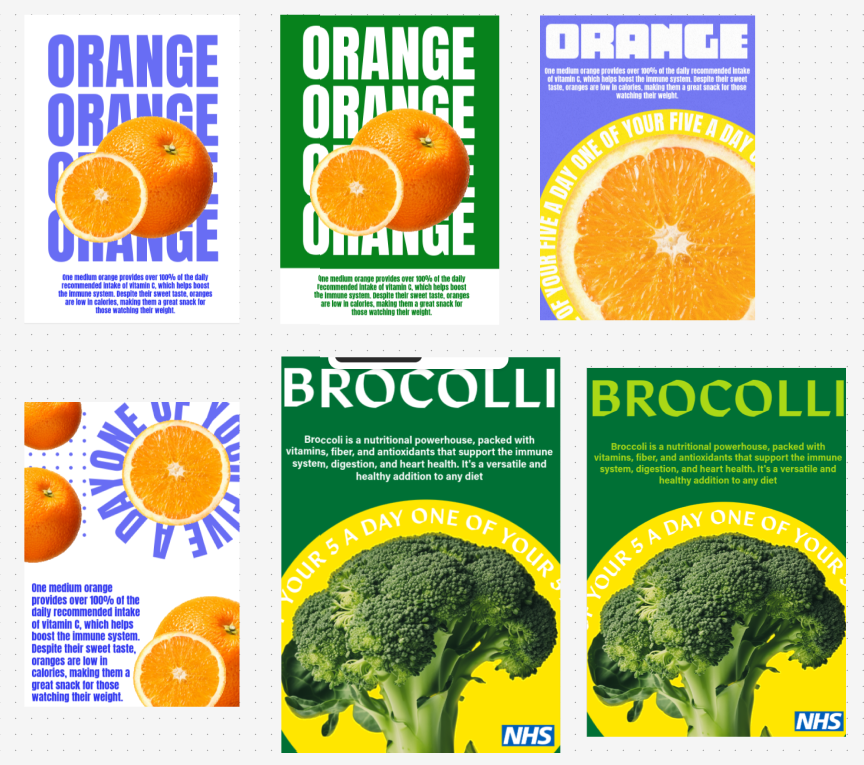
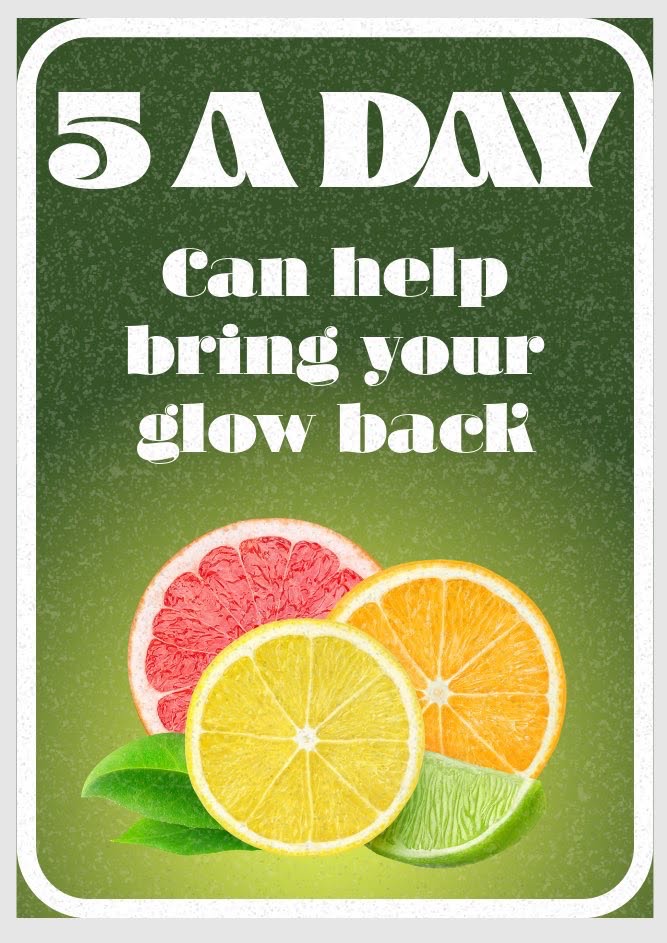
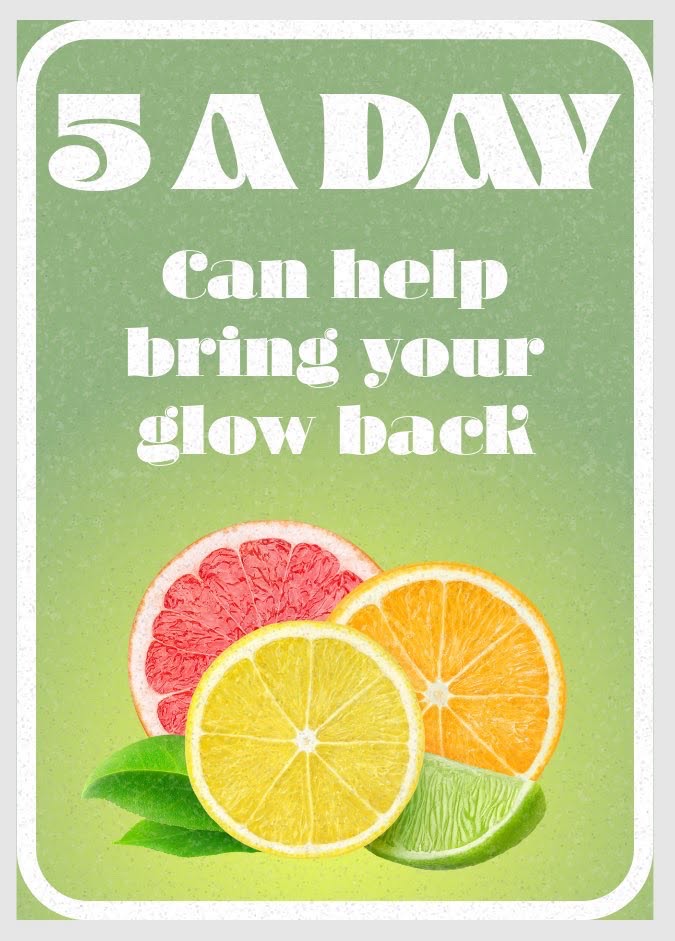
Here are our early designs and sketches, we changed the posters slightly in the final design in order to have the facts more concise, this keeps it eye-catching and aesthetically pleasing.


The designs are still aesthetically pleasing however we decided to rework them to better suit our audience. The communication between Leah and I was imperative in the design stages of this project as we had to work together to decide how to best deliver our design. Ultimately, we decided to go for a simpler design with facts on.  

VIDEOS

These videos, although created in adobe express, were heavily impacted by the skills I had learnt in other modules. My new skills that I developed whilst learning after effects were very useful when deciding the composition and motion within the videos. 


I created three videos in order to build brand identity with the three posters. This was important as In saturated markets, standing out is critical. A unique brand identity sets you apart by highlighting your values, personality, and unique selling points.” (Figure 2) and it is clear that 5 a day campaigns are very common therefore we had to bring a unique aesthetically pleasing approach, aimed at students. 

MOCKUPS

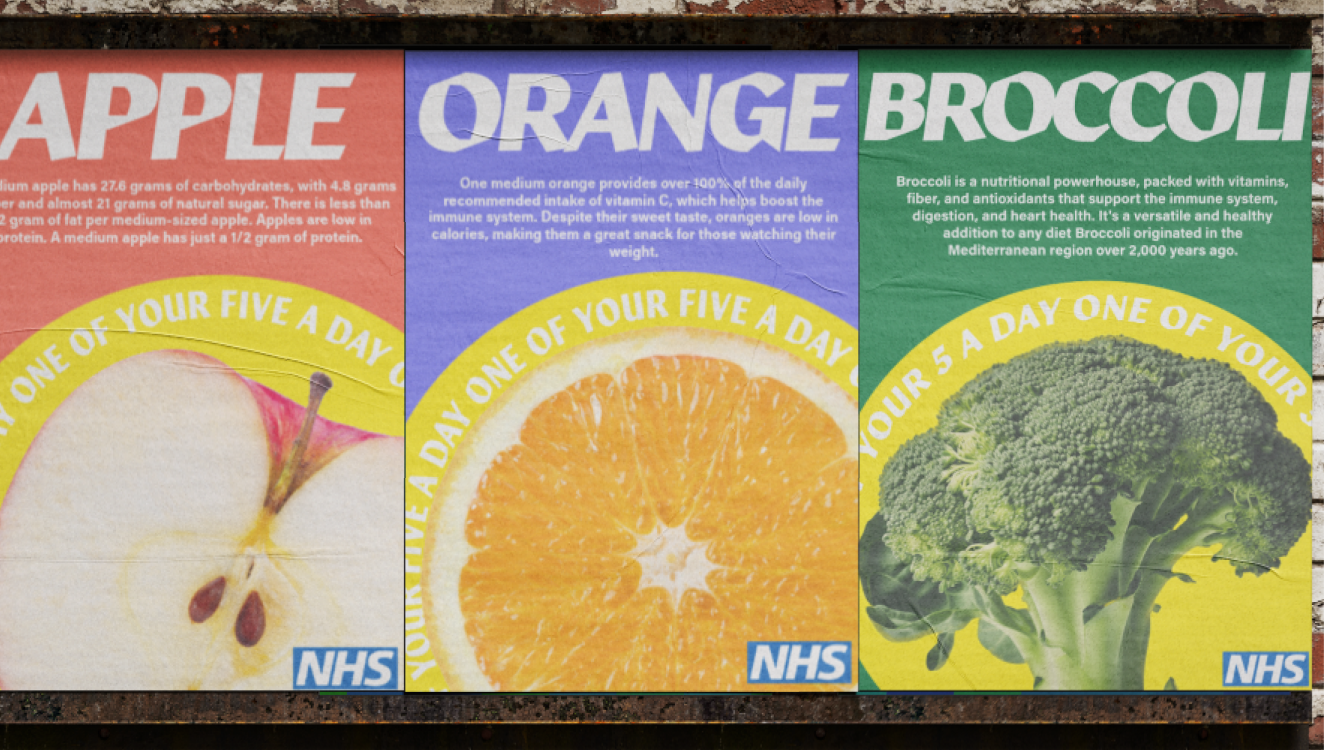
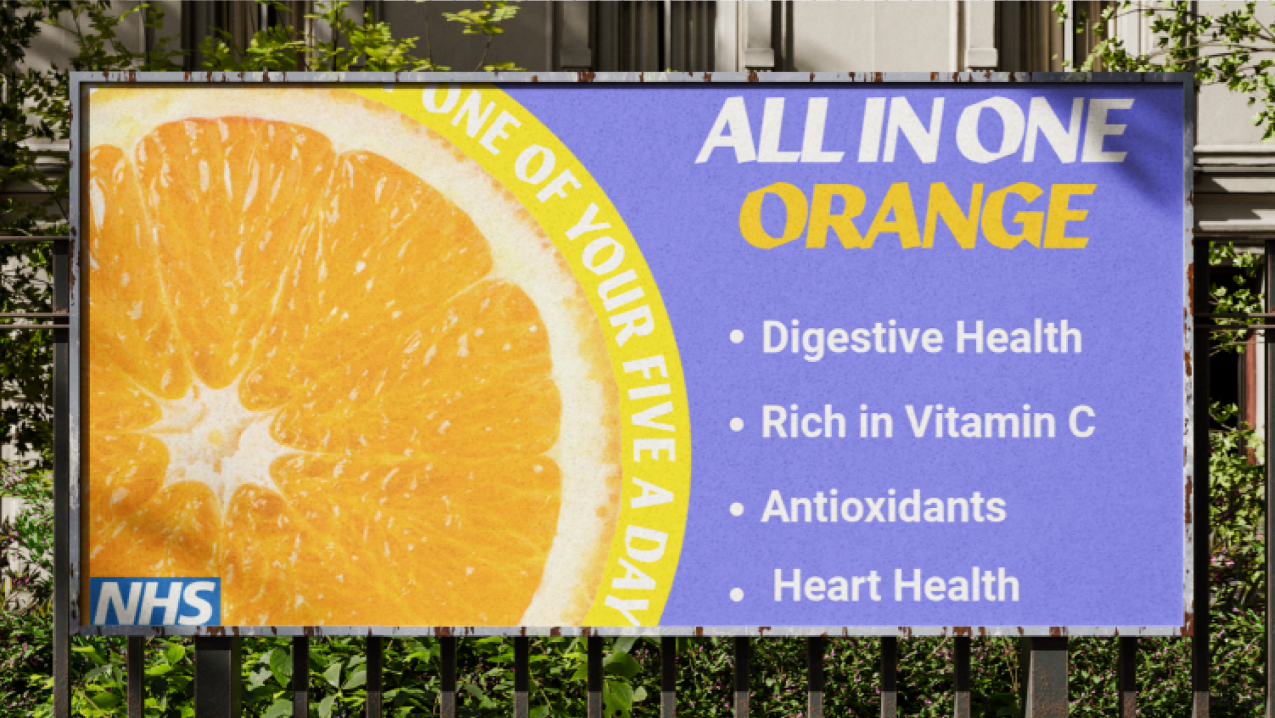
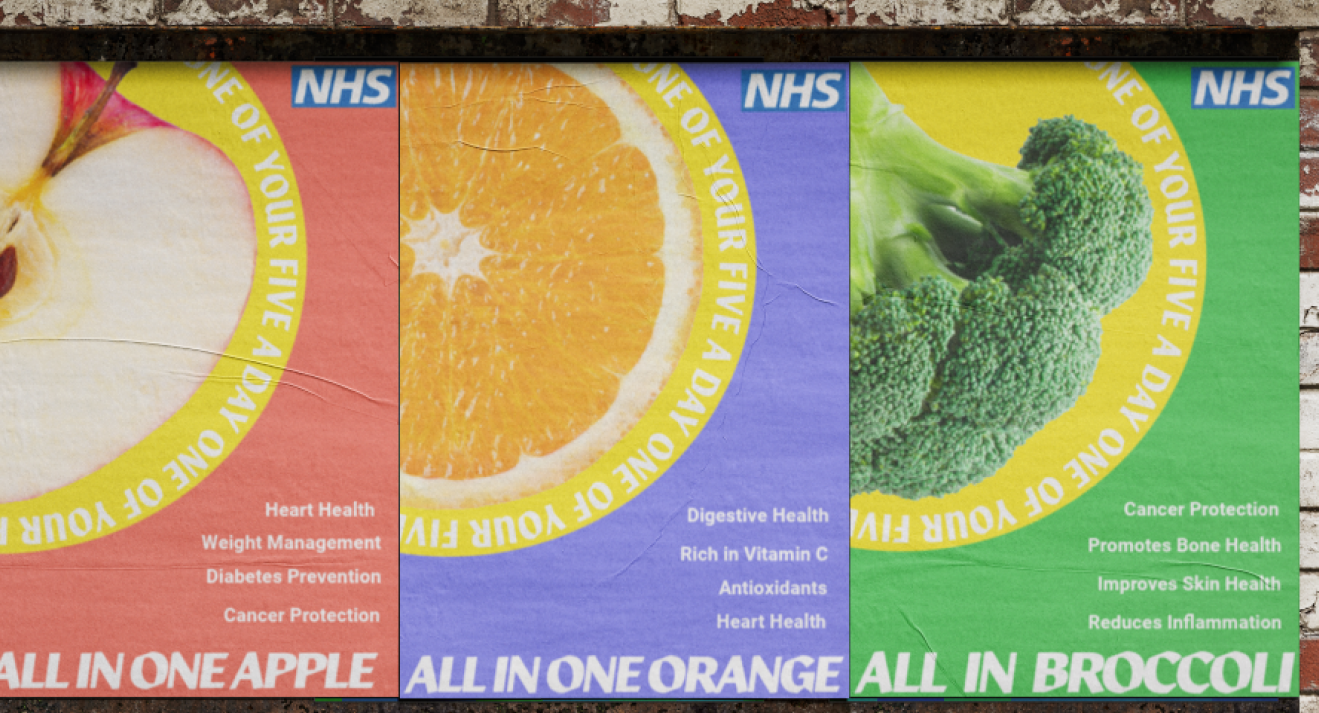
 We utilised a billboard design to create these mockups. These mockups accurately represent the way our brand would be viewed in real-life experiences. This visual mockup is very effective at showing flaws and helping the client visualise the finished product. 

REJECTED DESIGNS

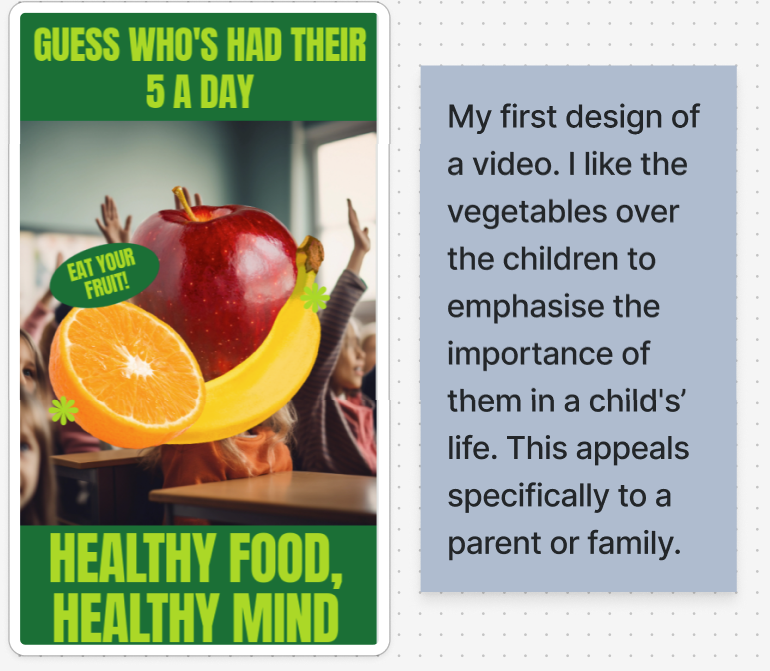
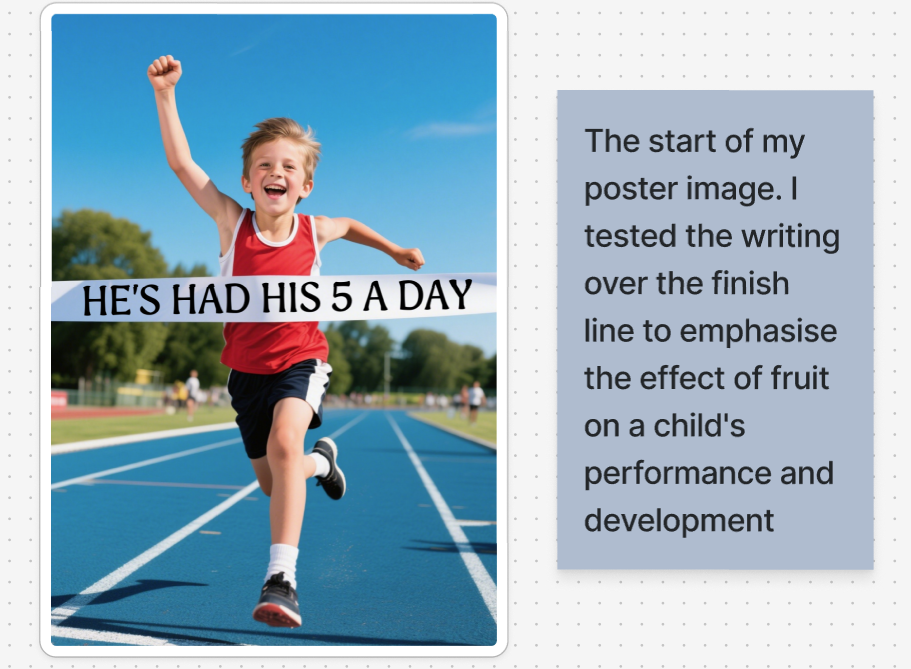
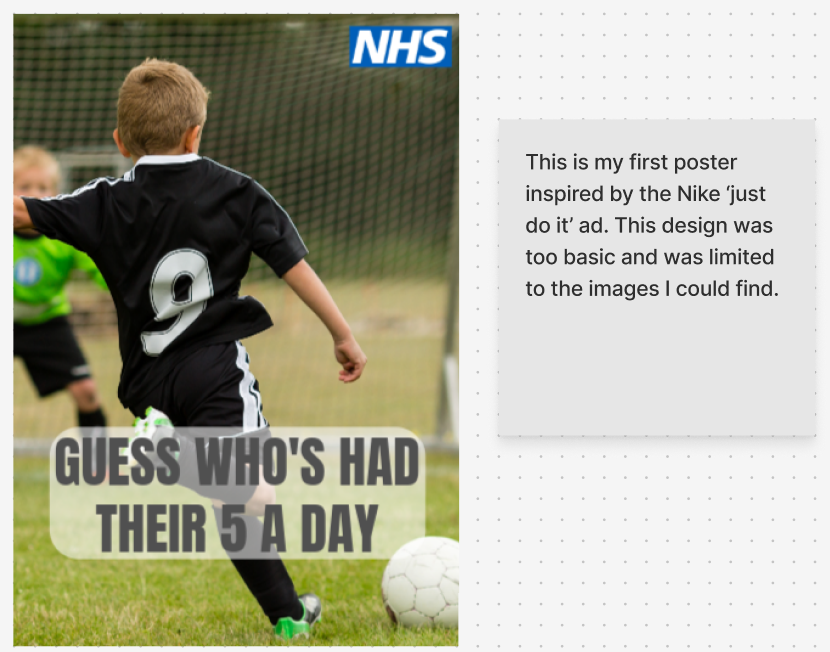
Finally, here are our rejected designs. We originally wanted to cater our campaign towards children however we decided that the market was too saturated in this case. We decided to change to a different demographic after originally focusing on primary school children. We now had a wider audience of people that can be interested by their 5 a day. 


SECOND 5 A DAY PROJECT WITH THE MARKETING TEAM

INITIAL IDEAS

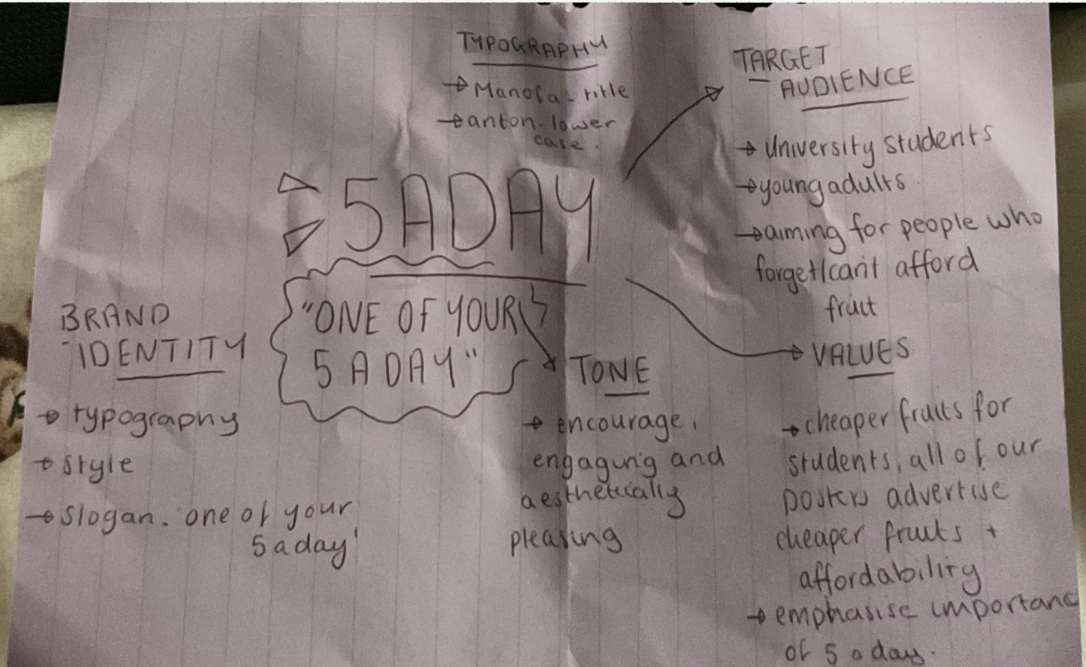
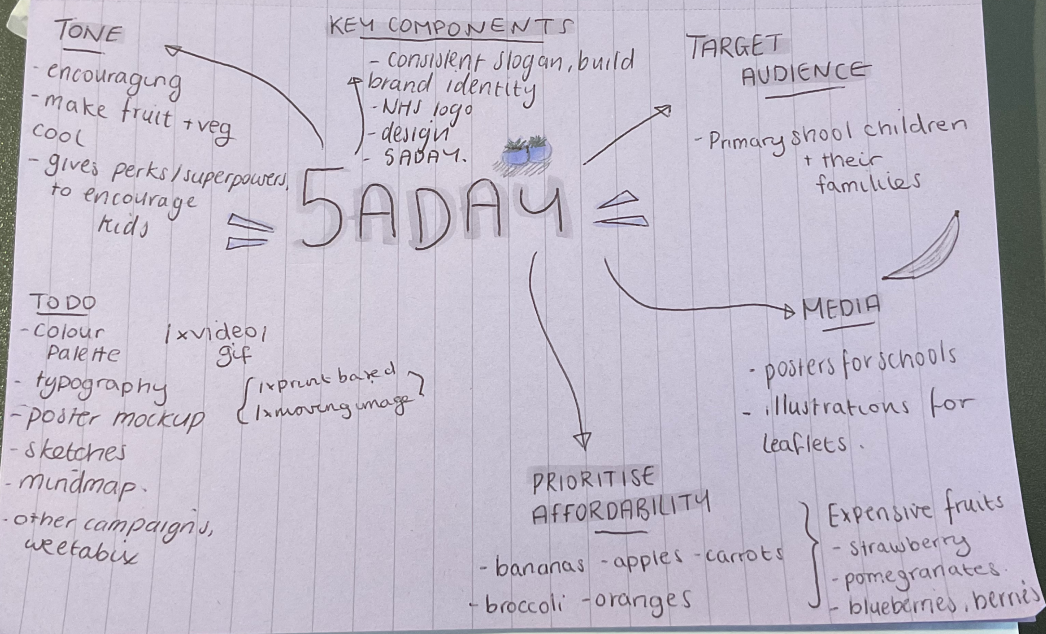
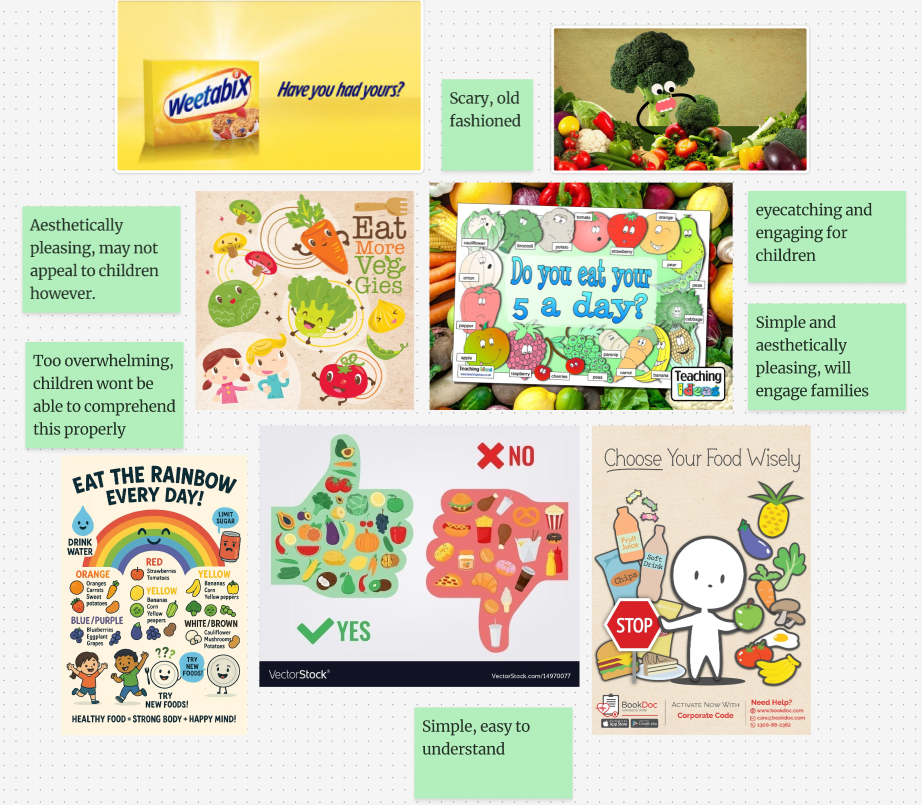
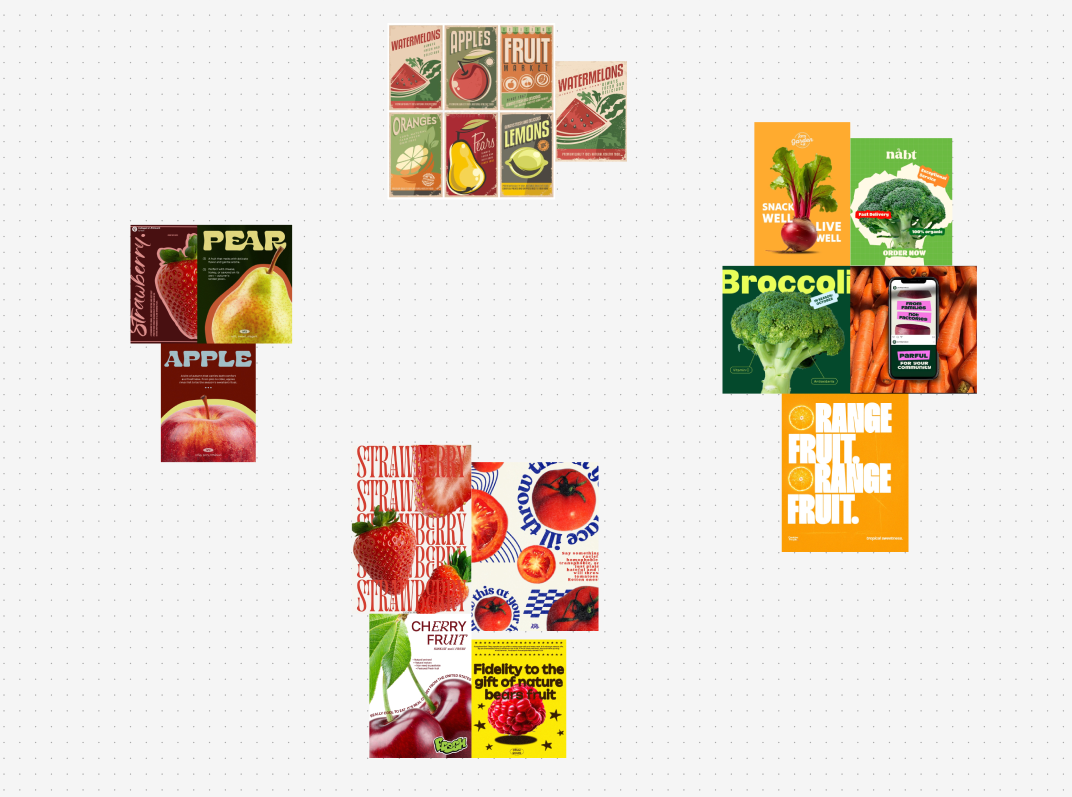
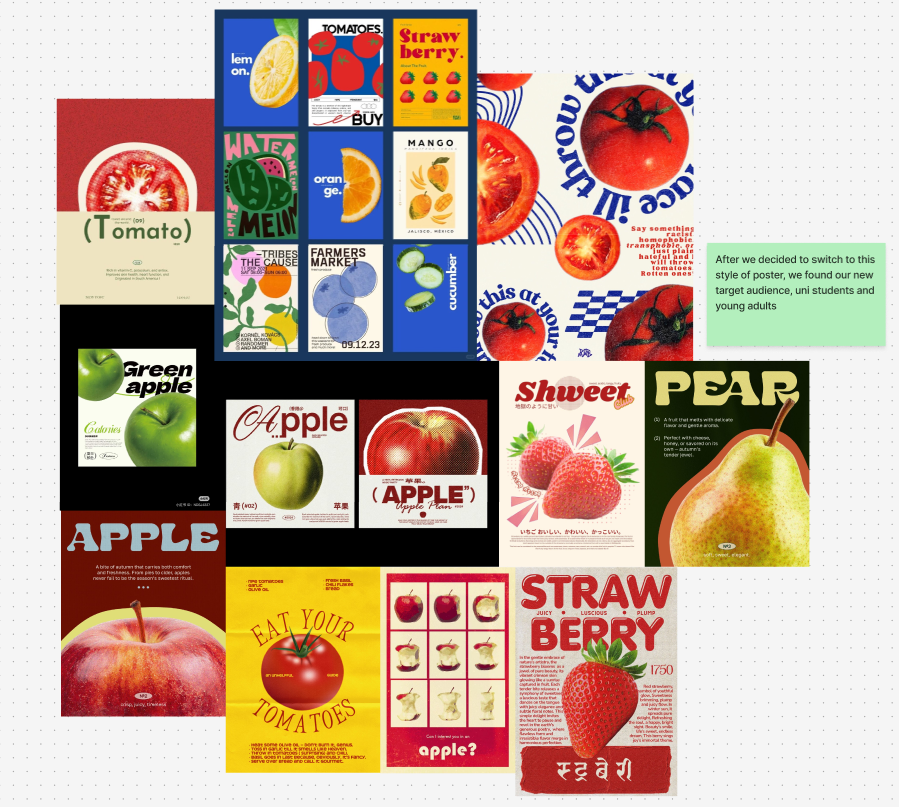
Initially, we made a mindmap in order to show the marketing team some posters which we would use as inspiration when making our posters. The team informed us that they didn’t like any of our designs. Initially this was frustrating, however, we learnt that communication was extremely important in this case to move forward with our design. 

REJECTED POSTER DESIGNS

As a design team, we created a few mock-up posters to present to our team. Unfortunately, they did not like the design as it did not fit their vision. Although this was a setback, we learnt to be innovative in times of rejection and continue working on new designs without feeling dejected.


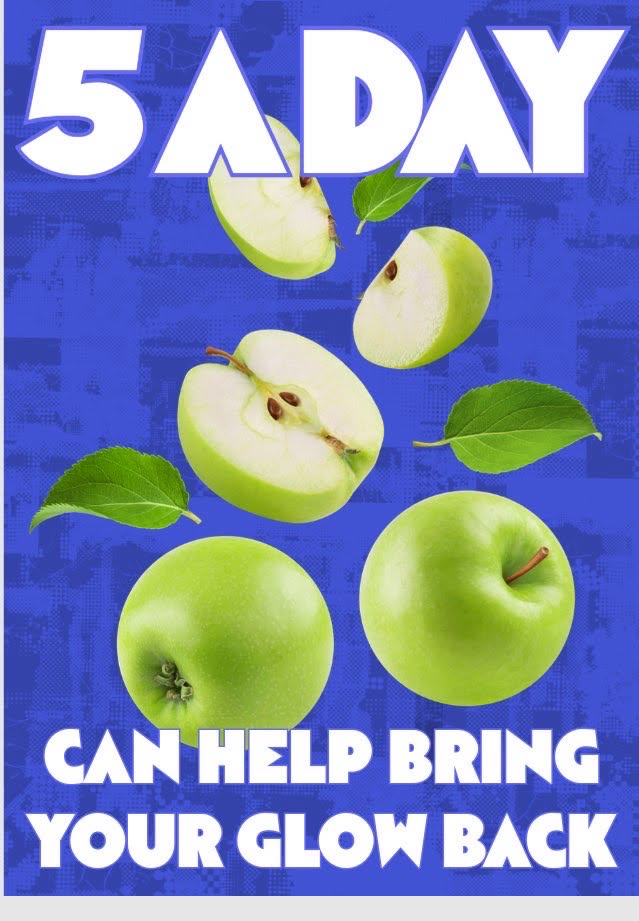
This led to Leah creating the final poster which would be used in our presentation in the live project. Although the poster was not to our taste, it taught me that designers will sometimes need to compromise in the industry in order to get the project complete and approved by some teams. 

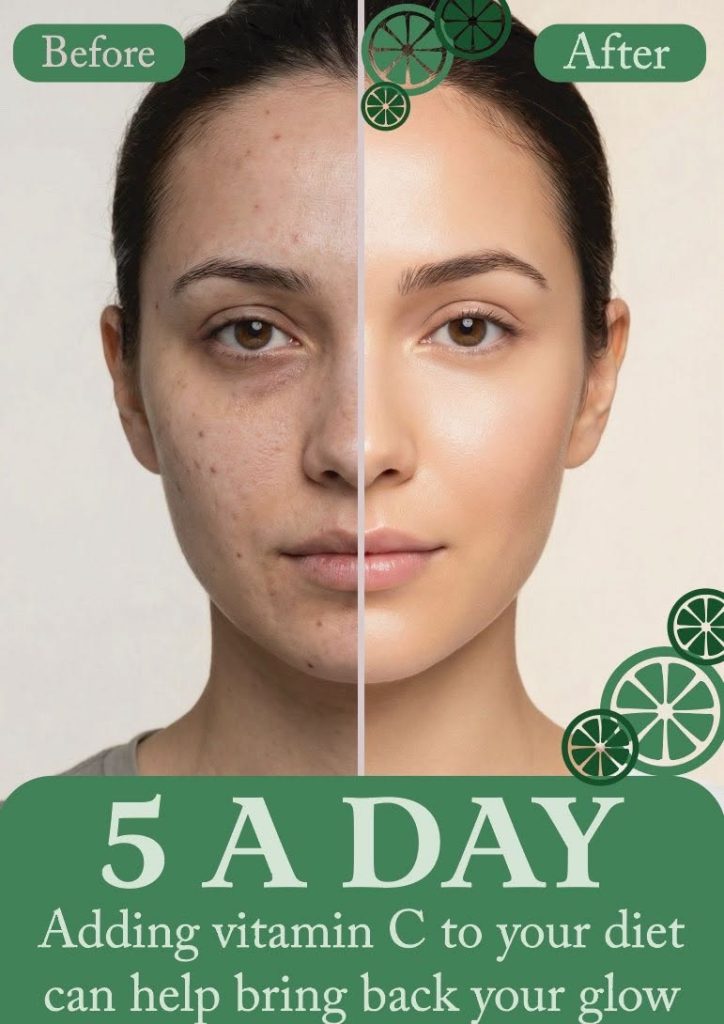
FINAL POSTER

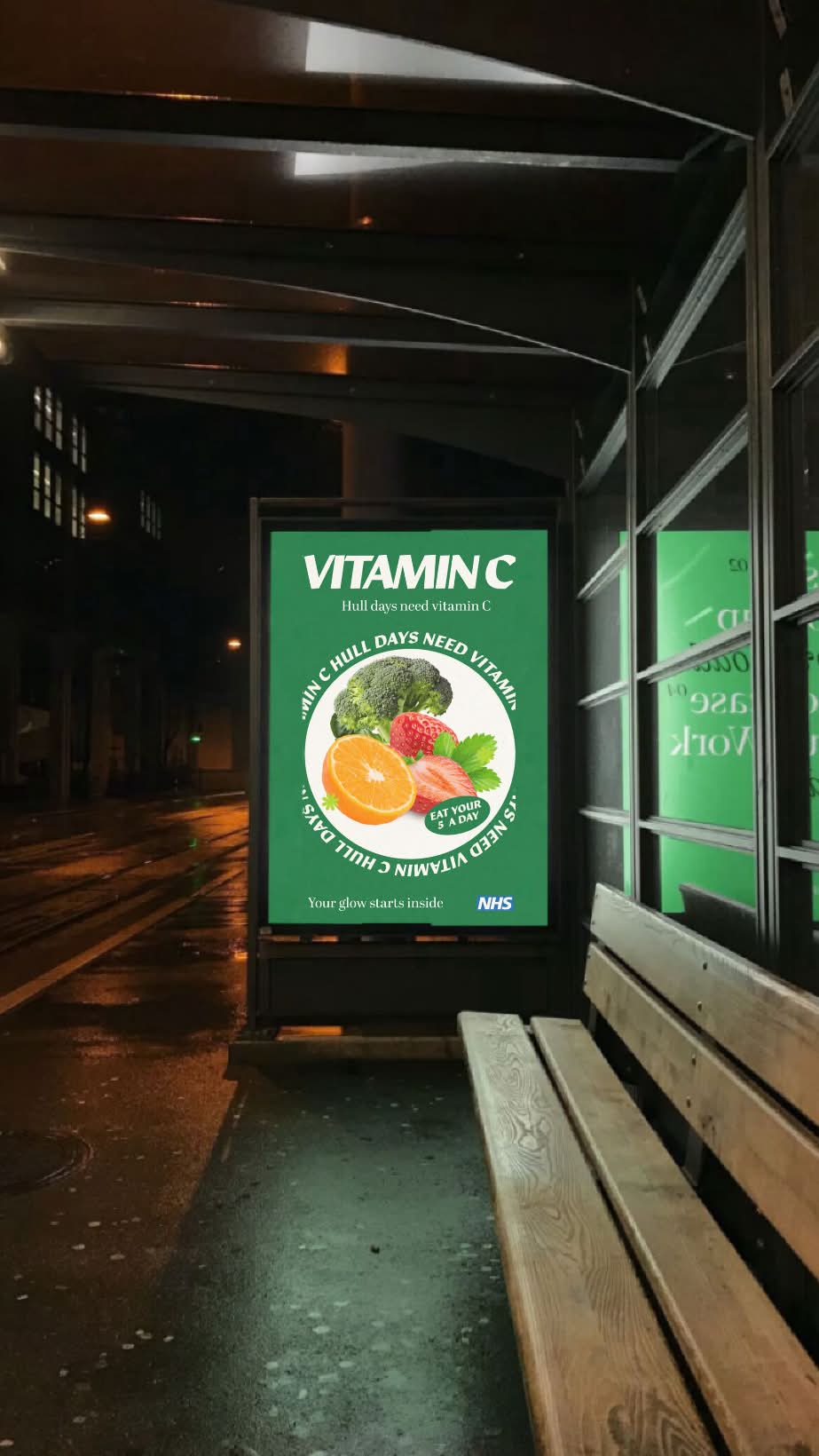
The final poster is still aesthetically pleasing and appeals to our target audience of women within Hull that may have dry skin due to the weather. Furthermore, we focused on building brand identity cross-platform as we utilised a poster and video with the same typography and illustrative design. 

FINAL VIDEO

Here is my finished video. I utilised the past project design but reworked it to suit this brief, being specifically tailored to Hull. My skills learnt on after effects again was useful here and the marketing team approved of my video as I had managed to replicate the idea that they had in mind. 

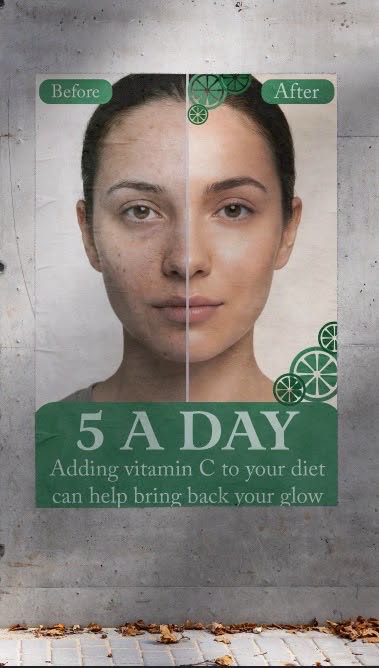
MOCKUPS

We quickly mocked up some examples of the content that we designed. This was effective for the Marketing team as it highlighted how effective the campaign could be, “Instead of explaining what a design might look like after development or production, mockups simply show it. This leads to clearer discussions, fewer misunderstandings, and faster alignment among everyone involved.” (Figure 1) and this was clear as the project moved forward more smoothly, allowing us to explain our design in a reallife environment simulation. From here, the marketing team approved our designs, and we presented them as a completed live brief. 

CONCLUSION

Overall, I have learnt communicating with a team is the most important factor when being an art director. Furthermore, throughout projects it is common for initial designs to be rejected and compromising and making changes to initial designs is inevitable, especially to keep the brief flowing more smoothly. Another obstacle that we had to overcome was the heavy use of AI done by the marketing team. This meant that we had to communicate with the team more as often their generated images did not make sense. However, we did get a well-rounded design completed by the end of this project. 


Personally, I believe the first campaign was more effective. I feel that we hit the target audience clearly and supported cross platform thinking with our designs. Similarly, our design process helped the brand follow a narrative that helped encourage young adults to go and eat fruit and vegatables, especially the more affordable ones. 
References 

Figure 1 – MockupHive (2026) Why Every Designer Should Use Mockups Why Every Designer Should Use Mockups | by MockupHive | Feb, 2026 | Medium (Accessed 25th February 2026) 


Figure 2 – Pascual (2025) Why a Strong Brand Identity Is Crucial for Business Growth in 2025Why a Strong Brand Identity Is Crucial for Business Growth in 2025 – Pascual Creative (Accessed 20th February 2026)