Post A (Lab Exercises)

001_CWRK:Series of set lab exercises uploaded to blog sites for assessment

Below are all of the emerging technologies that I tested in class and in my own time.

3D

Illustrator 3D Bottle Design

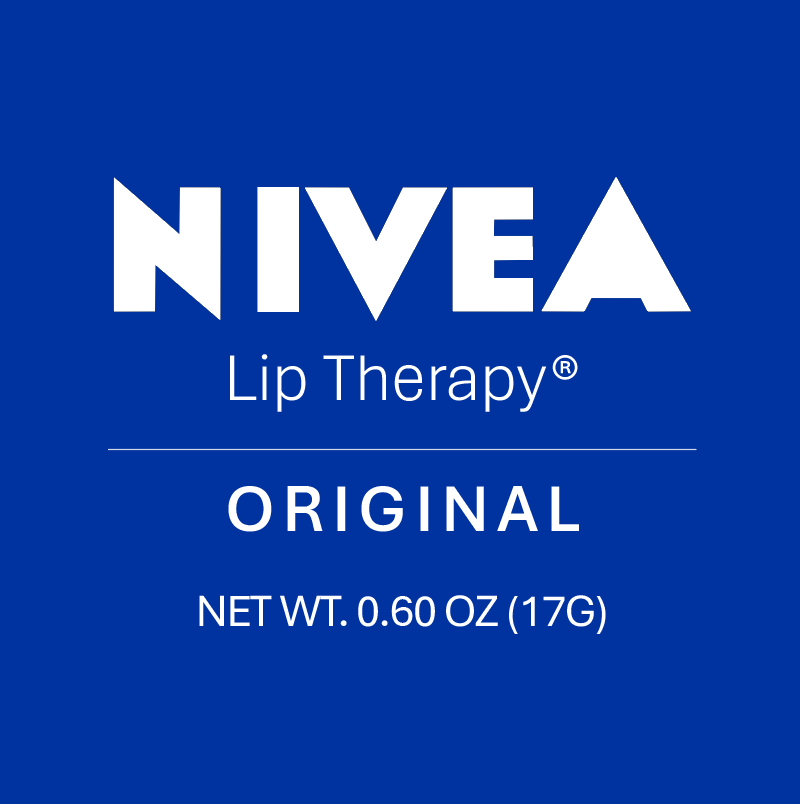
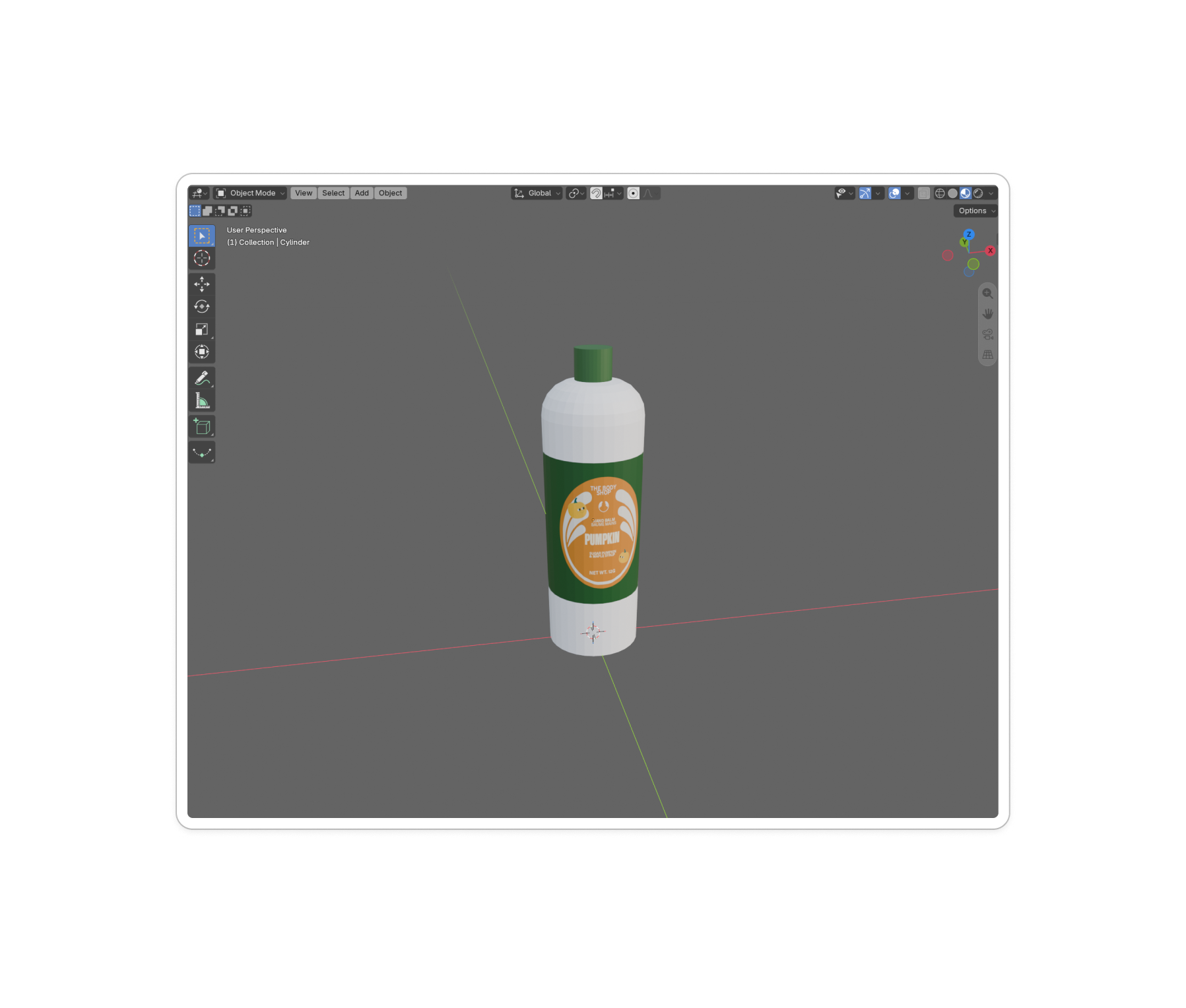
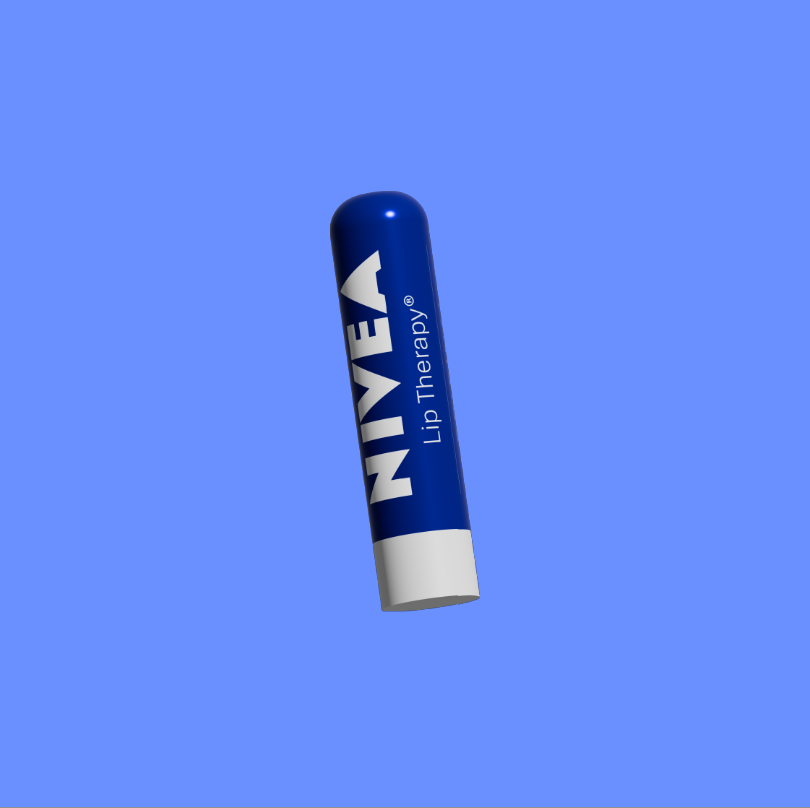
In lecture, we learnt how to create a 3D model using Adobe Illustrator. We started creating a ‘Nivea’ lip balm. Making the label was easy enough, focusing on the text weighting and accurate fonts. Then we applied this directly to the lip balm we had created.

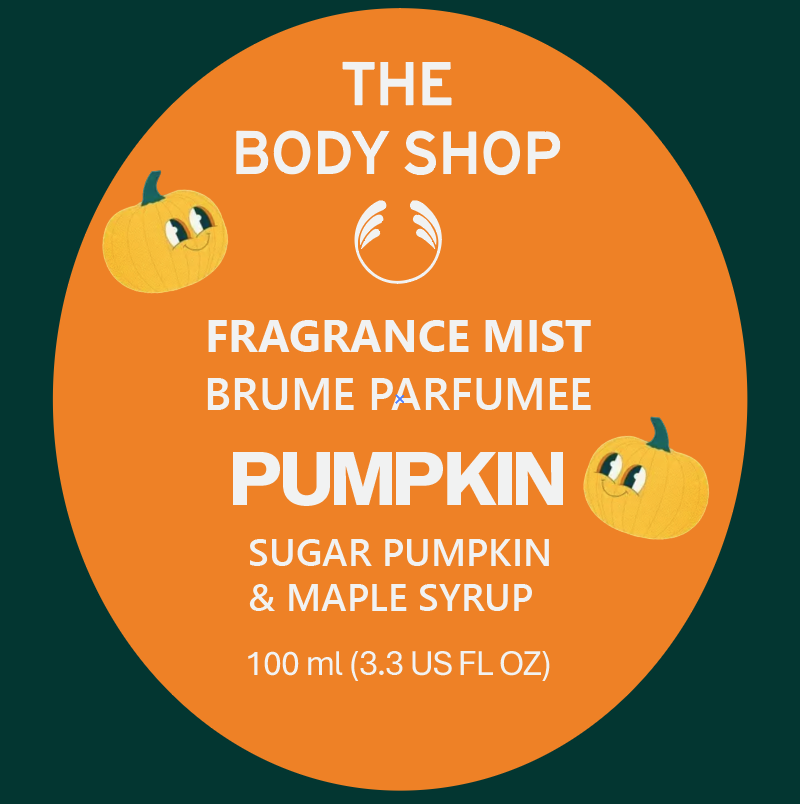
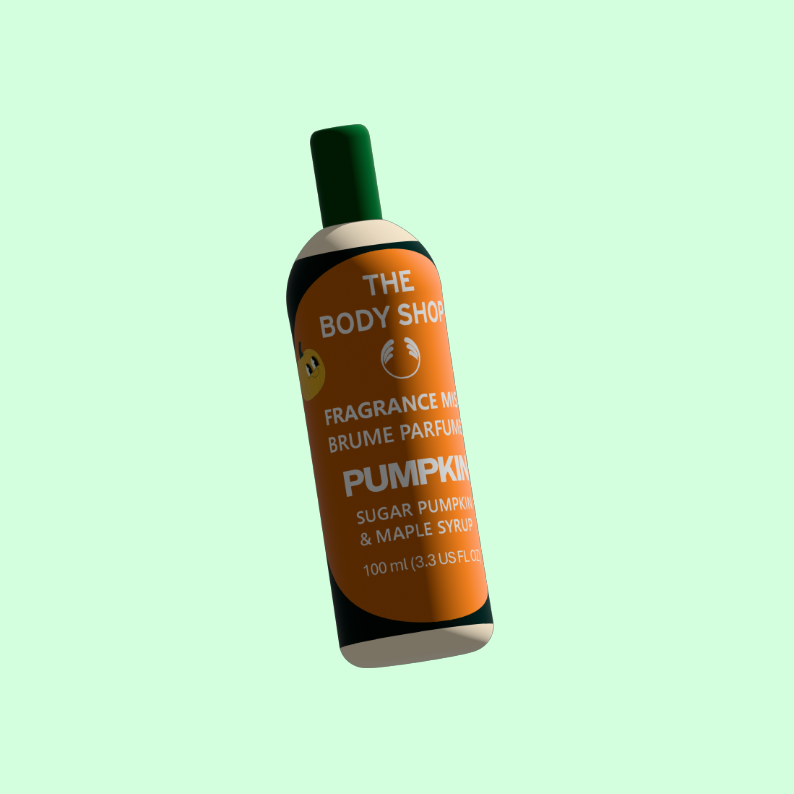
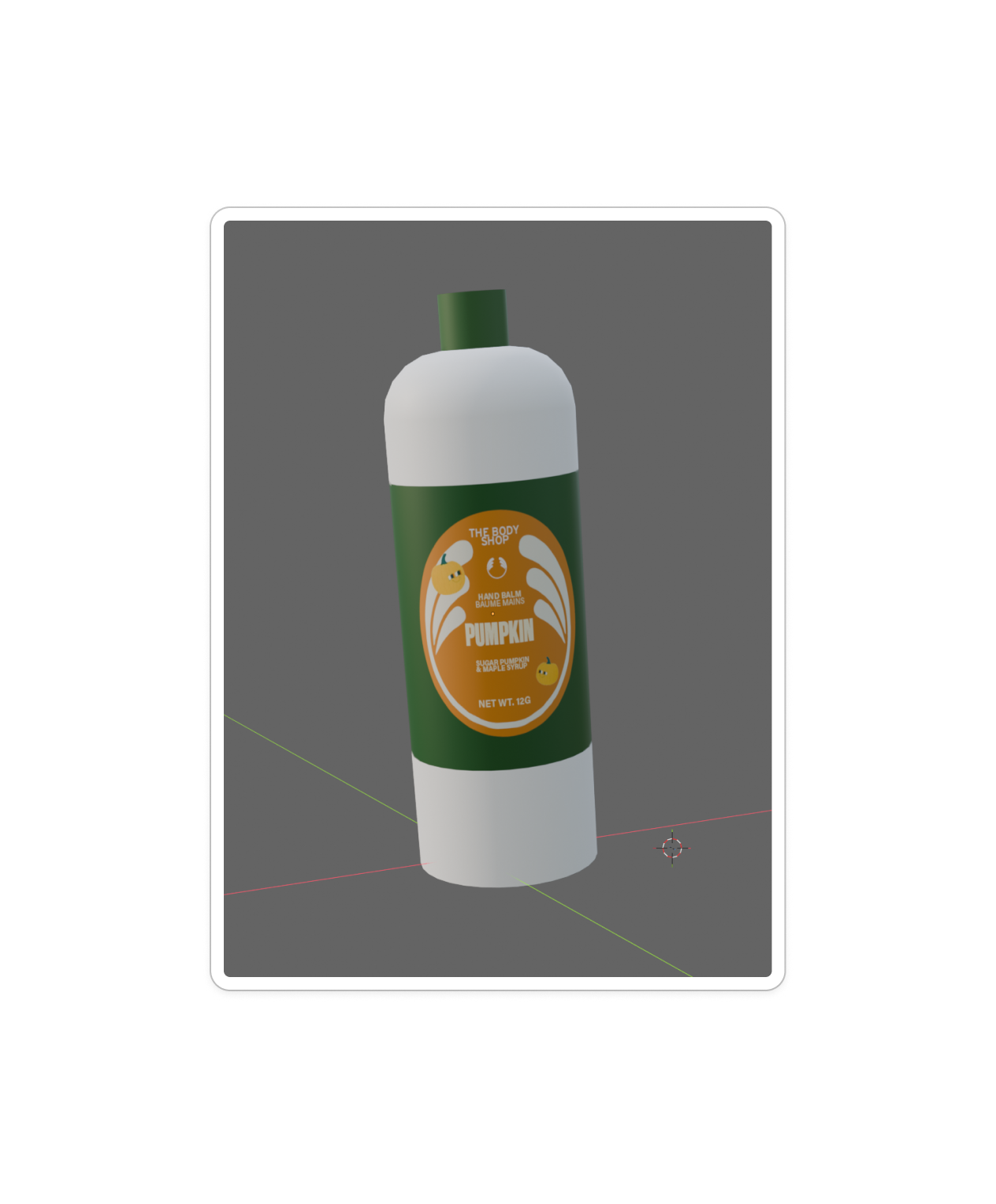
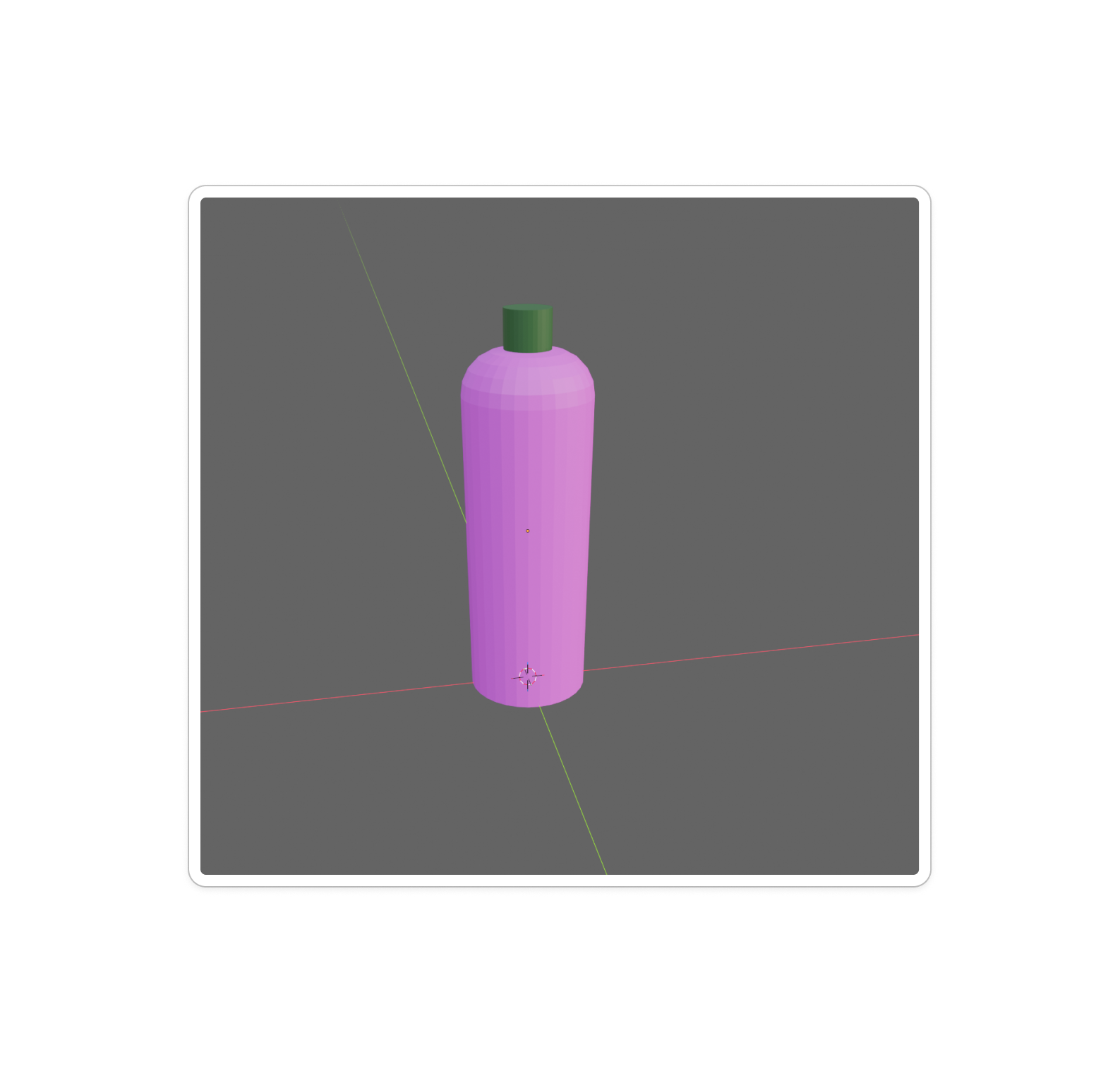
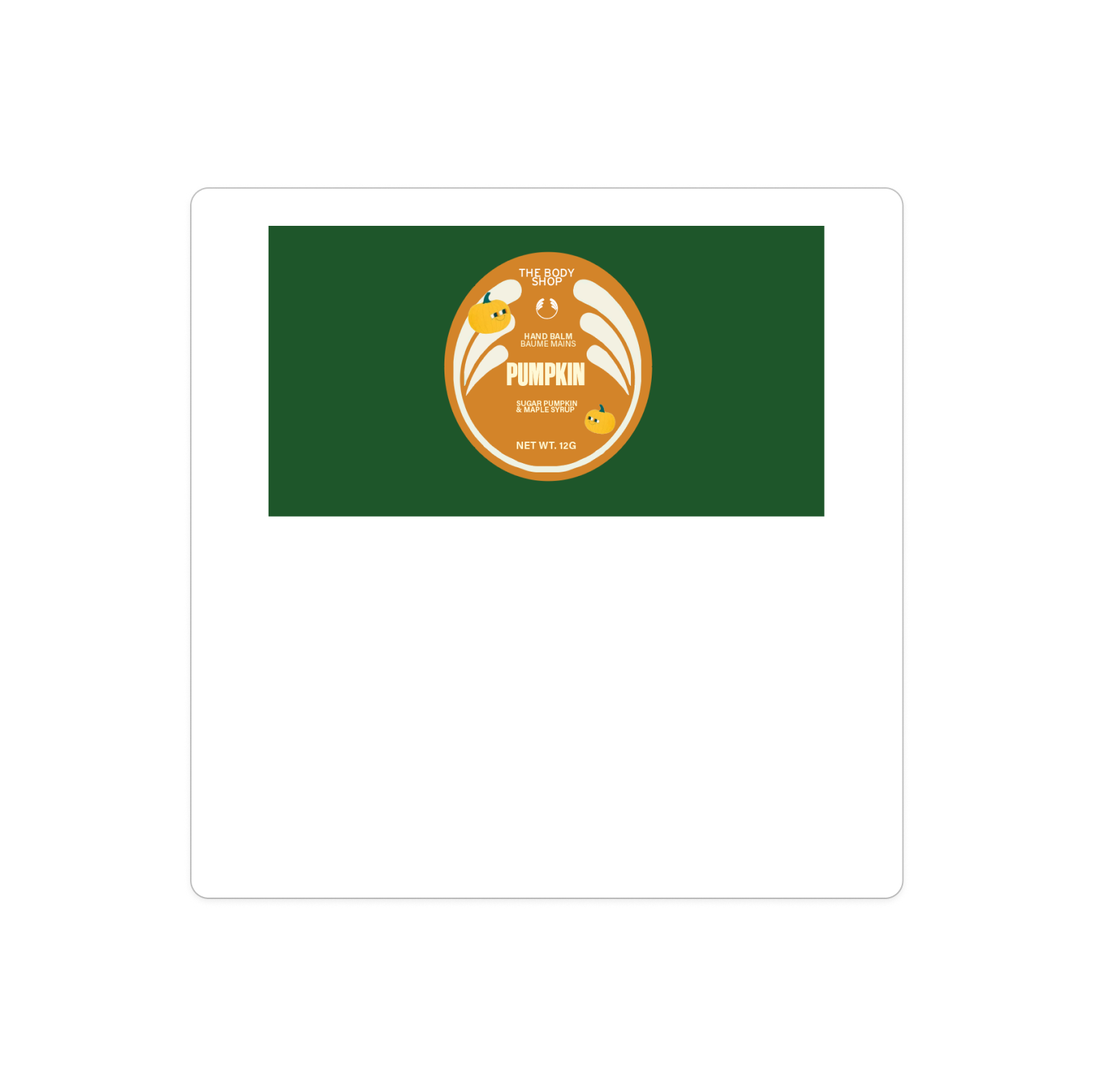
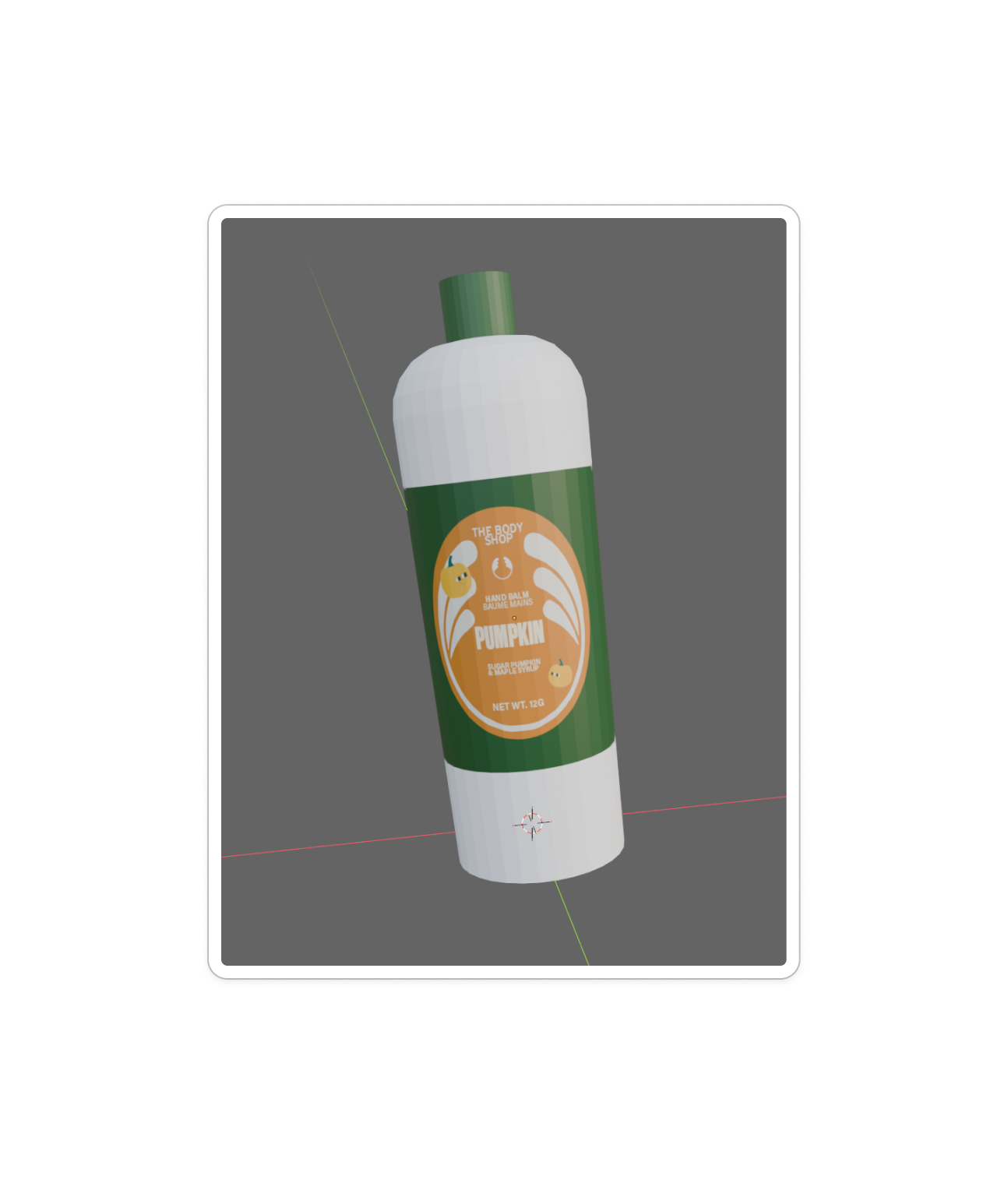
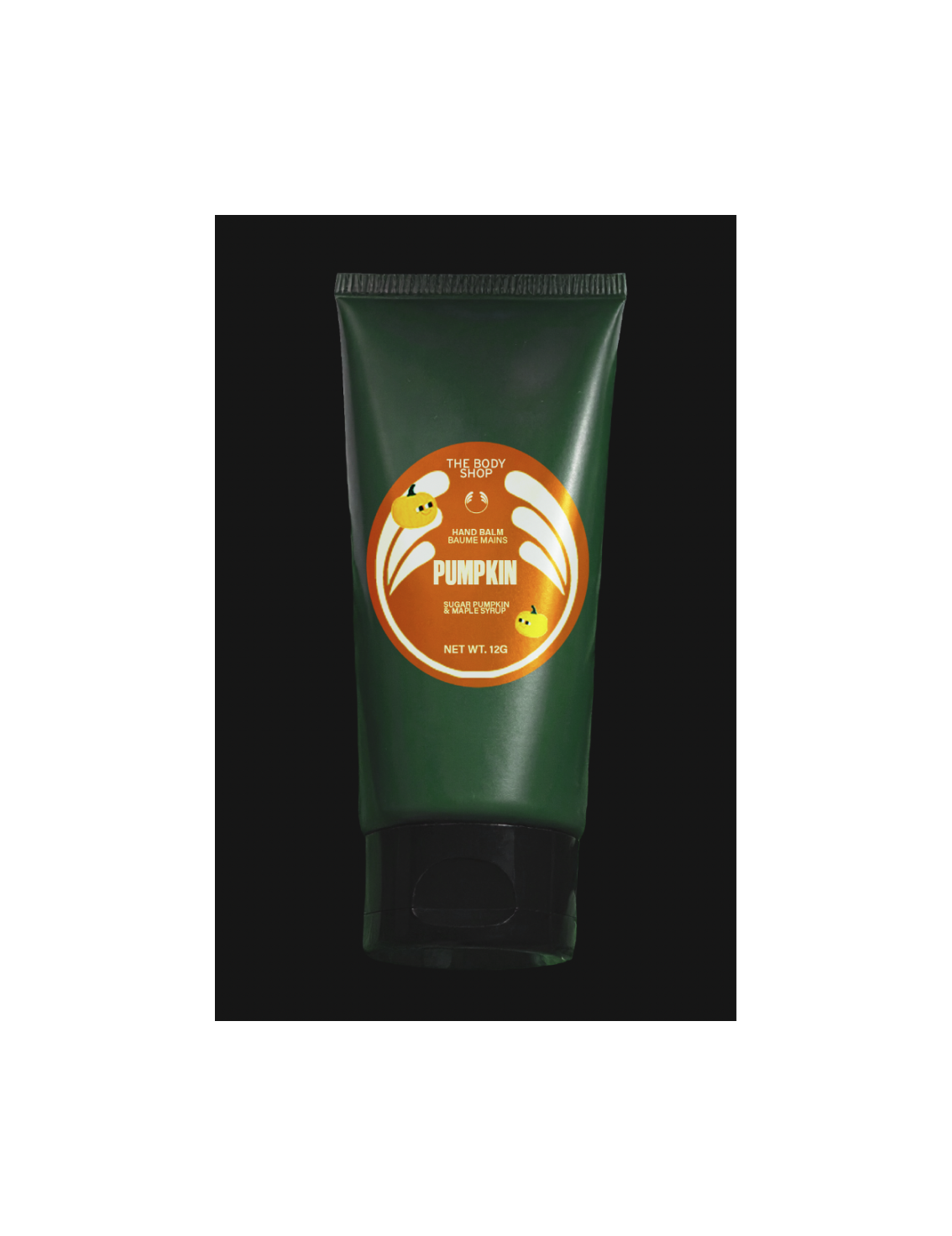
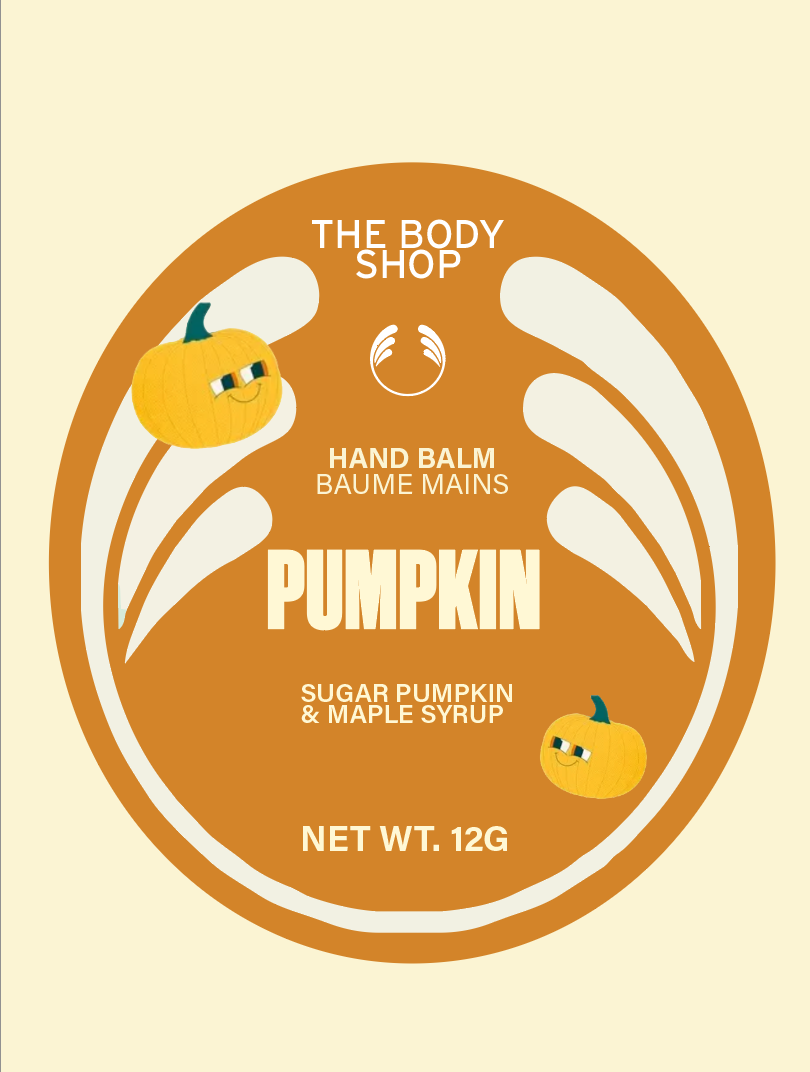
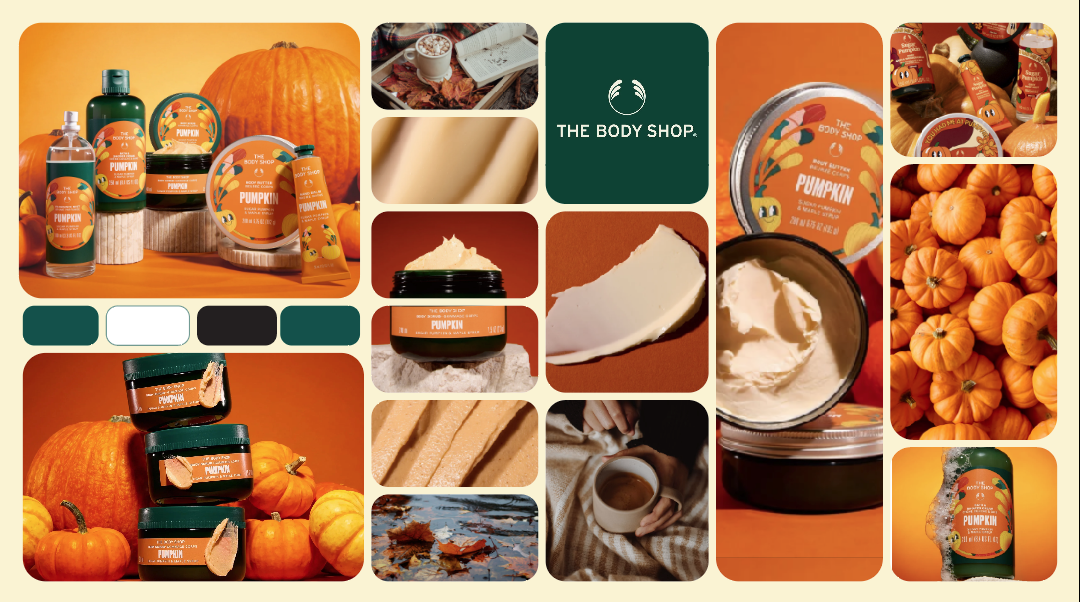
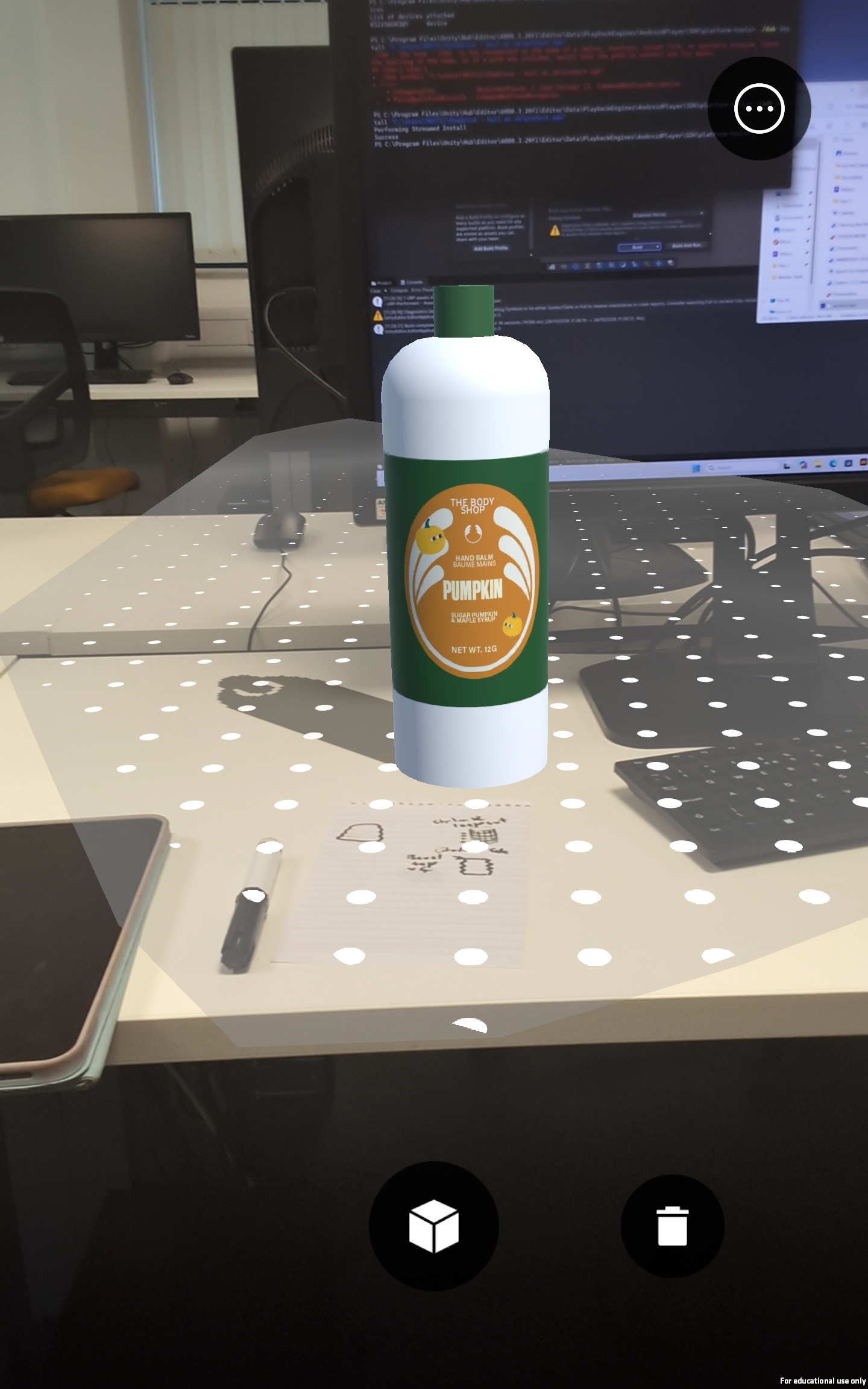
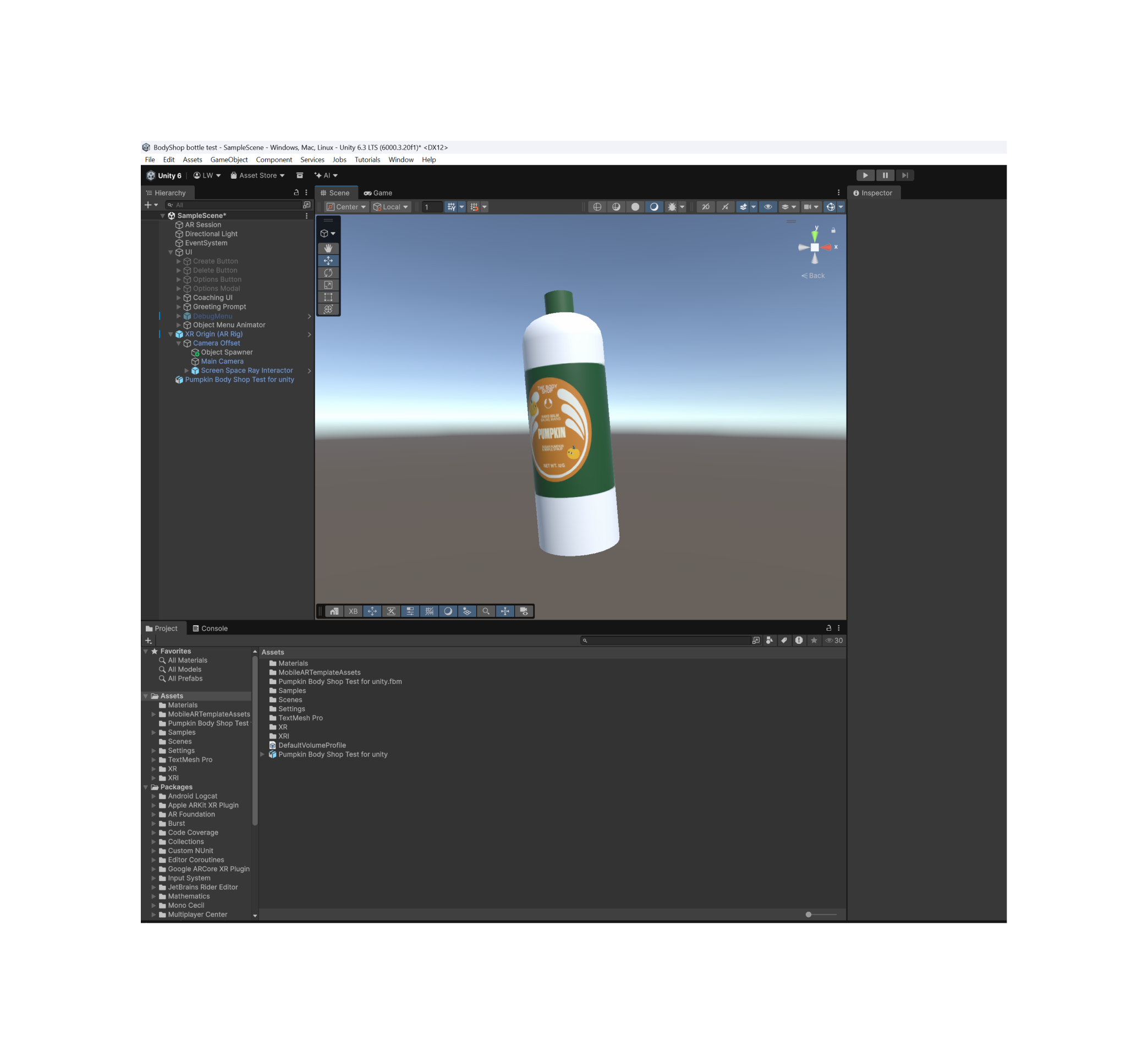
Afterwards, I decided to make a lotion bottle. This was a bit harder as I had to combine 2 sales in order to create the lid. This is references in the image shapes above. Once I had designed the shape and turned it 3D, I created a label similar to real ‘Pumpkin’ Bodyshop set. This was quite complex as the label was very detailed and complicated. 

Afterwards, I converted it onto the bottle successfully. If I was to continue editing it and changing it, I would shrink the label down to make it more accurate to the bottle. The label seems a bit stretched and long in comparison to conventional bottle labels.

https://assets.adobe.com/id/urn:aaid:sc:EU:6abe7980-1094-4f96-a82c-2a778727e847?view=published

Click above for higher quality images.

Blender

Lorem ipsum dolor sit amet, consectetur adipiscing elit. Ut elit tellus, luctus nec ullamcorper mattis, pulvinar dapibus leo.

Virtual Reality (VR)

Framer VR

As I tested framer, I realised it is a good technology but it more marketed for the older generation who possible would struggle more.

The movement controls are older, the left and right button angle the camera rather than alter movement. This is more old fashioned, unlike games and this was unusual to me but made sense a the older generation, business types will be more used to this control. The very simplistic movements and option to ‘teleport’ also links to this accessibility for people less immersed in technology.

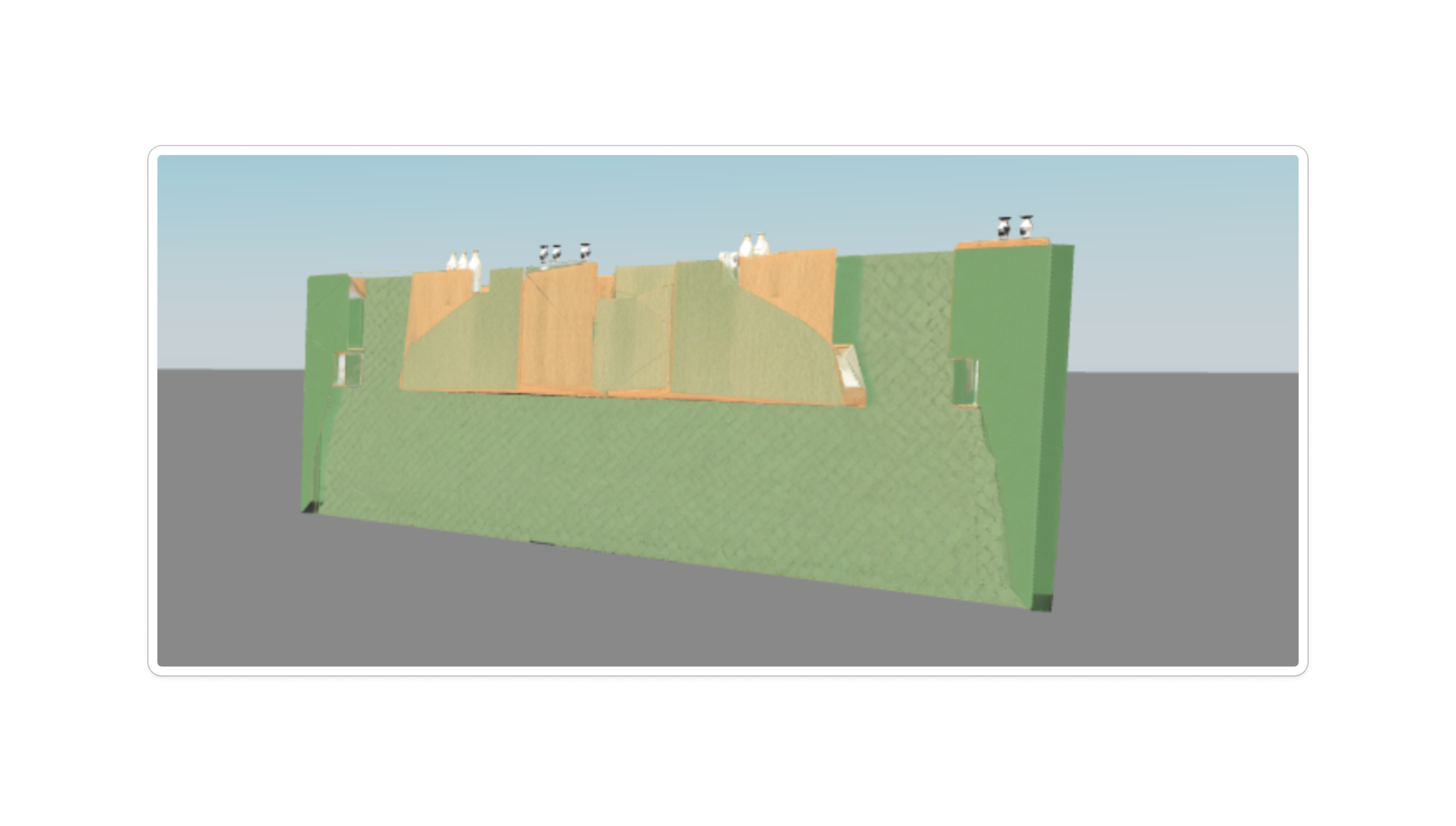
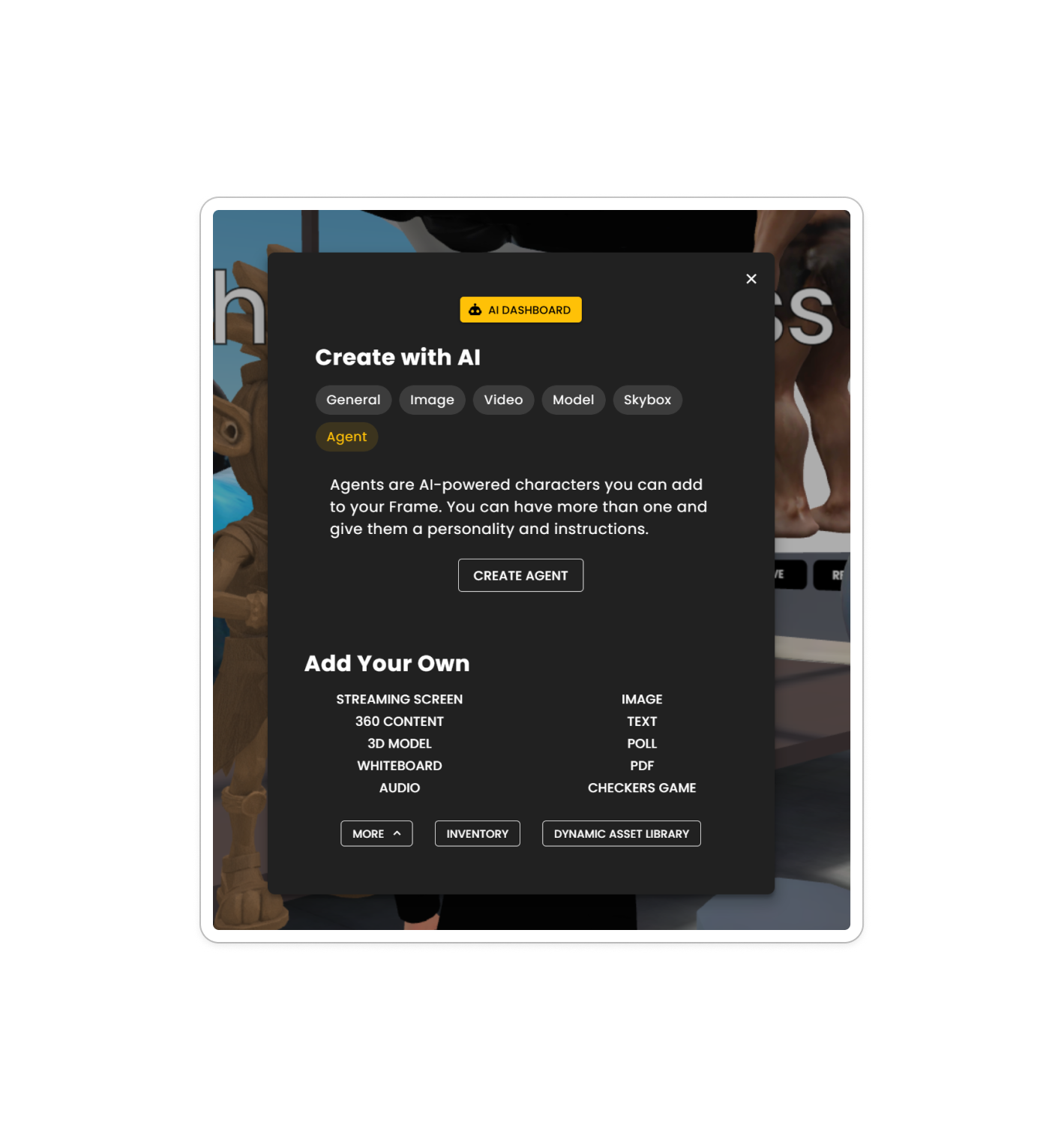
I tried to use the AI generation tool in order to test it. This was heavily marketed throughout the platform with constant reference to AI generation and it was the front page of the tools. After testing it a few times, I concluded it was not very accurate. For example I asked it to generate a ‘simple skincare shop 3D model’ and this is what it created. (green rectangle image)

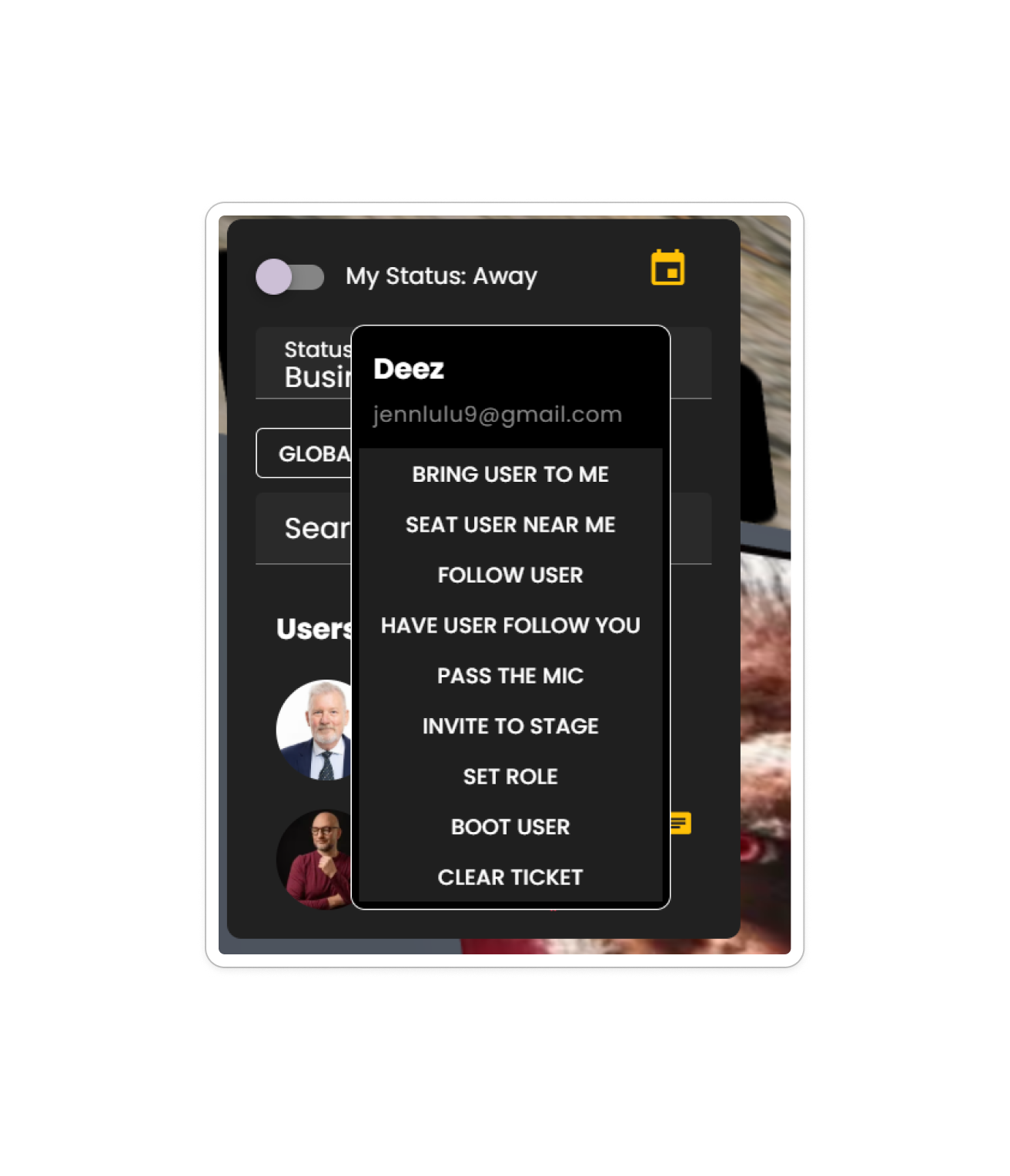
I joined Leah’s frame and we tested out some tools such as the whiteboard tool together. This was fun as it simulated how it would be used in a real meeting.

Finally, another positive to Framer would be the “Gamification.  Picture employees earning points, unlocking rewards, and competing with colleagues, making the learning process more enjoyable and effective.” (Figure 1). The gamification of a teams meeting or a education class would definitely motivate and inspire the user, bringing a light-hearted alternative to class or a meeting.

Overall, Framer is a good accessible free website which is useful for team meetings, sharing 3D models etc. I can see why its popularity rose through COVID especially as it’s an easy alternative to meeting in real life and a unique experience in comparison to a common Teams meeting.

The bad points would of course be the environmental impact of the AI generation tool. This especially would impact my brand ‘Bodyshop’ as it is sustainable and eco friendly. Although it is definitely a strong alternative to a 2D conference, things such as the Paywall and the ‘lagginess’ that occurred the more we added to the Frame.

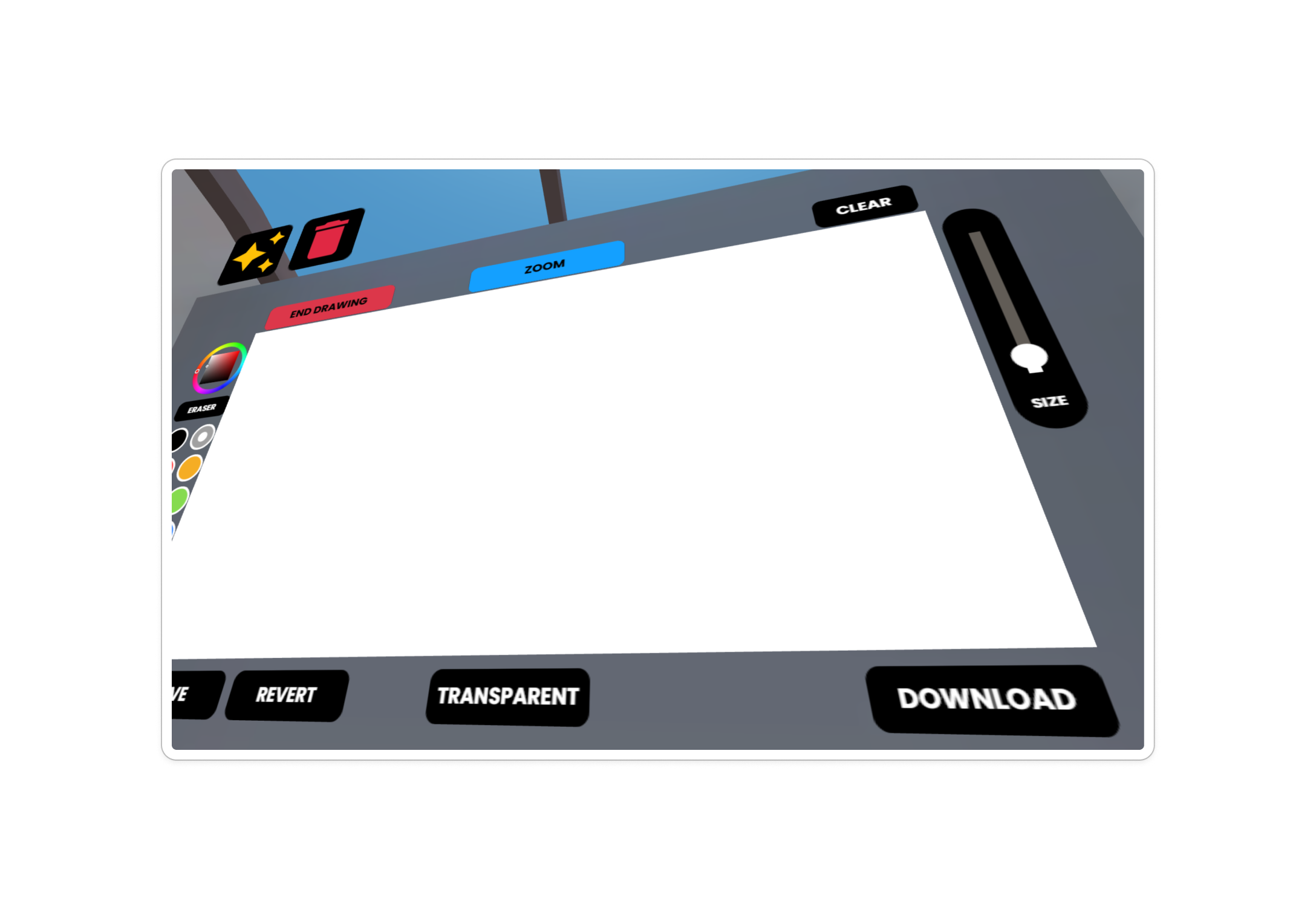
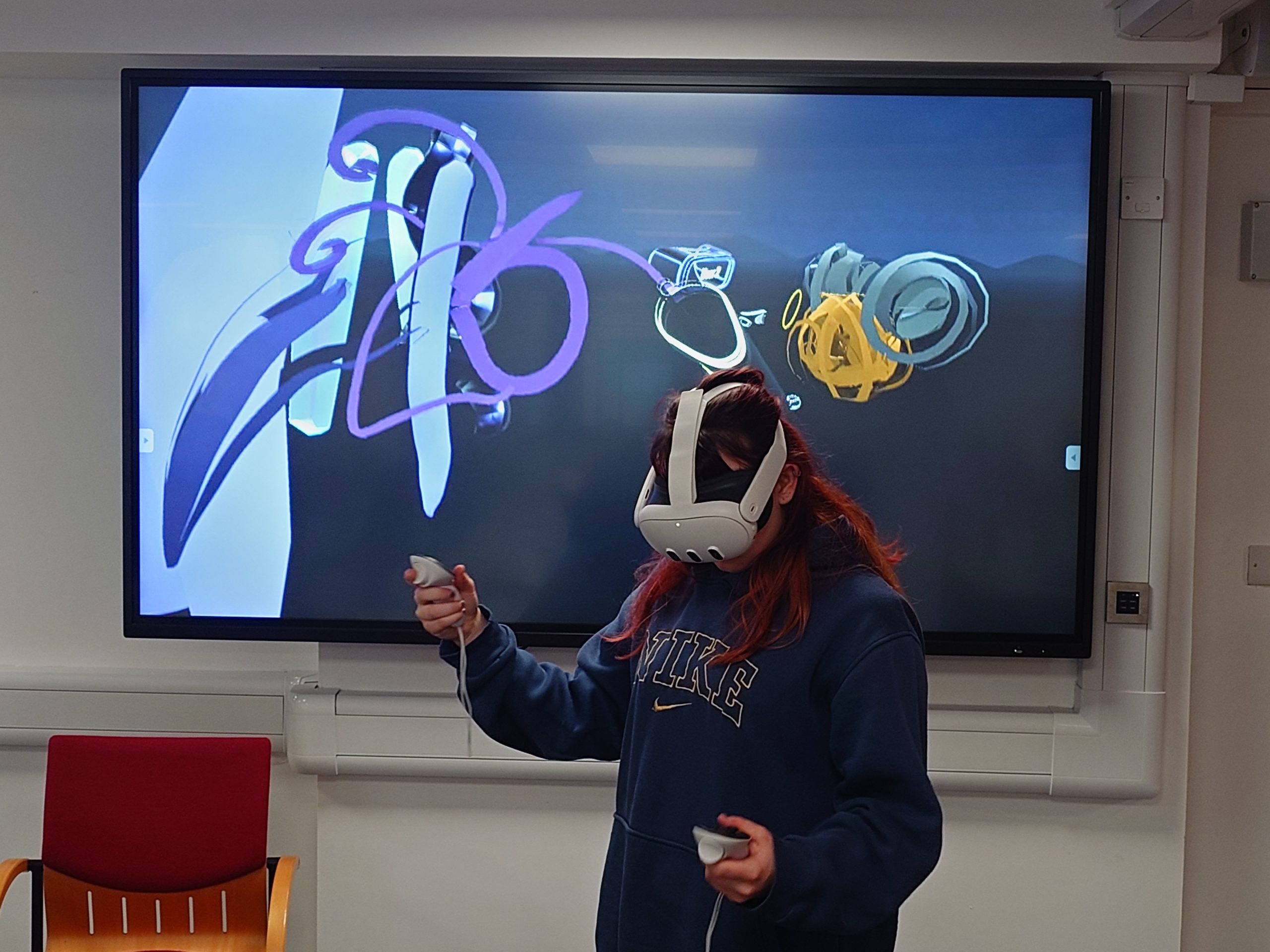
Open Brush

Lorem ipsum dolor sit amet, consectetur adipiscing elit. Ut elit tellus, luctus nec ullamcorper mattis, pulvinar dapibus leo.

Generative AI

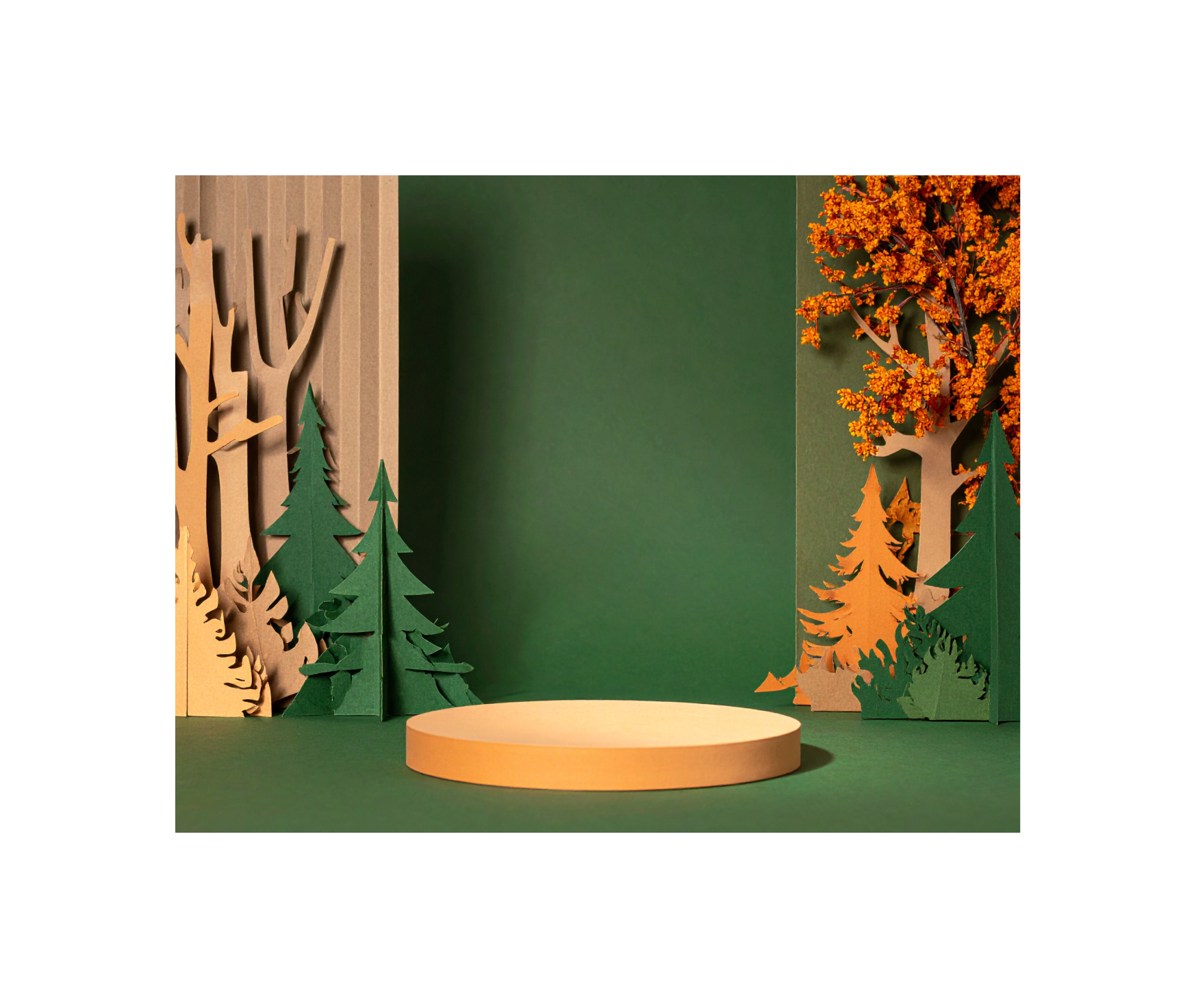
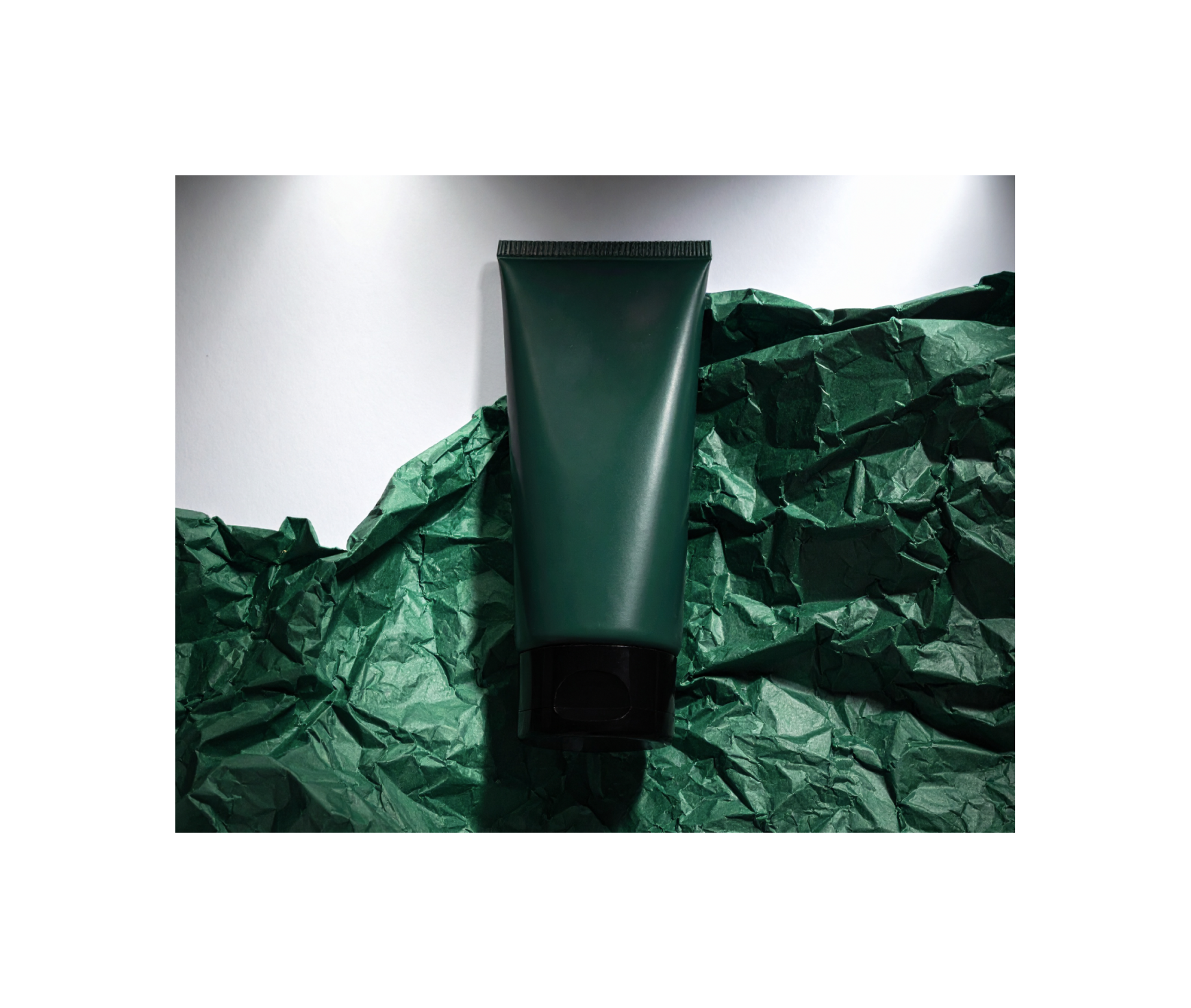
Adobe Firefly

Prompt 1 –

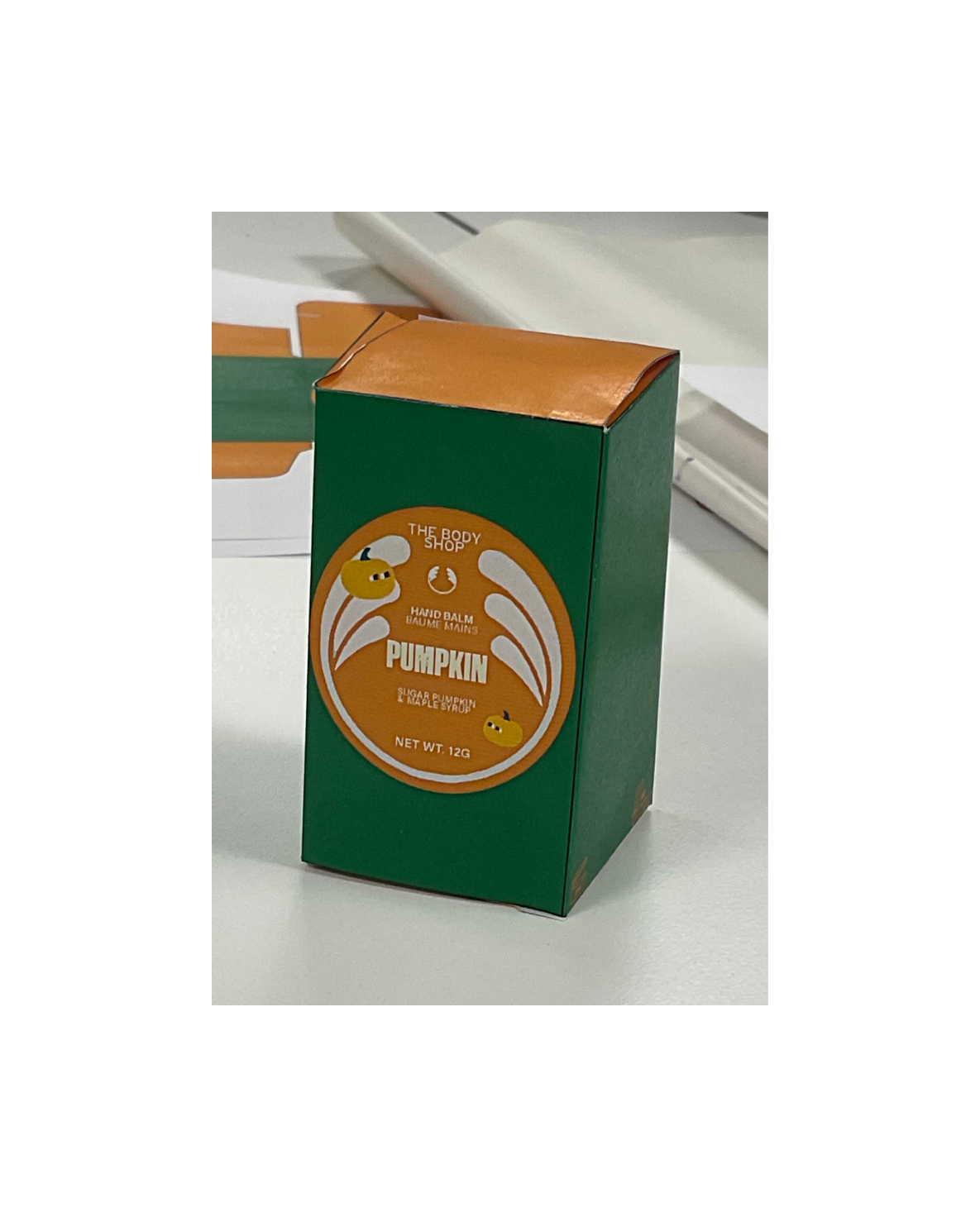
minimal bottle product shot, skincare hand balm metal tube crinkled as if its been used photography studio. Laid down bottle above view with lighting. Close up metal tube all wrinkled after use

2D Packaging

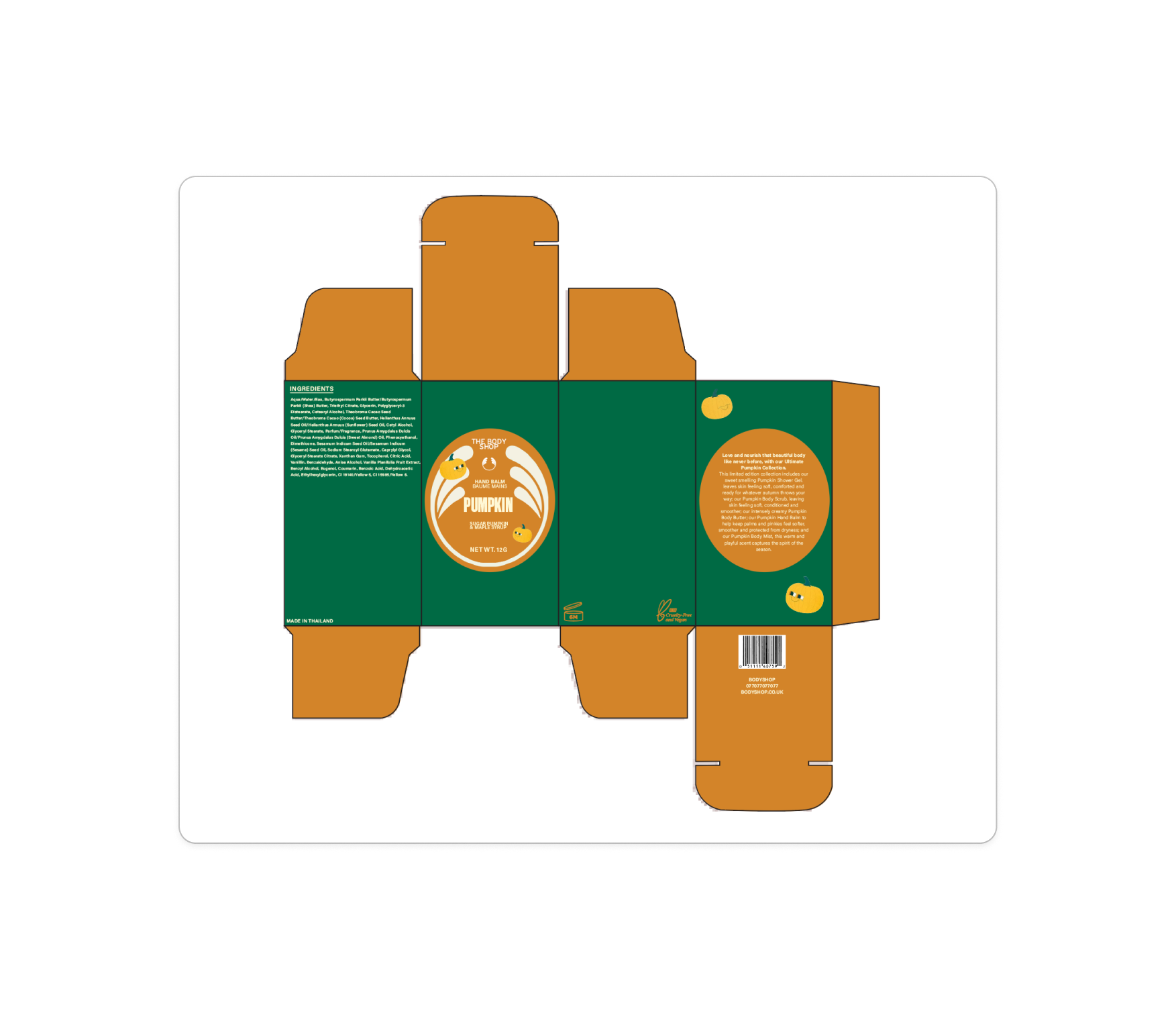
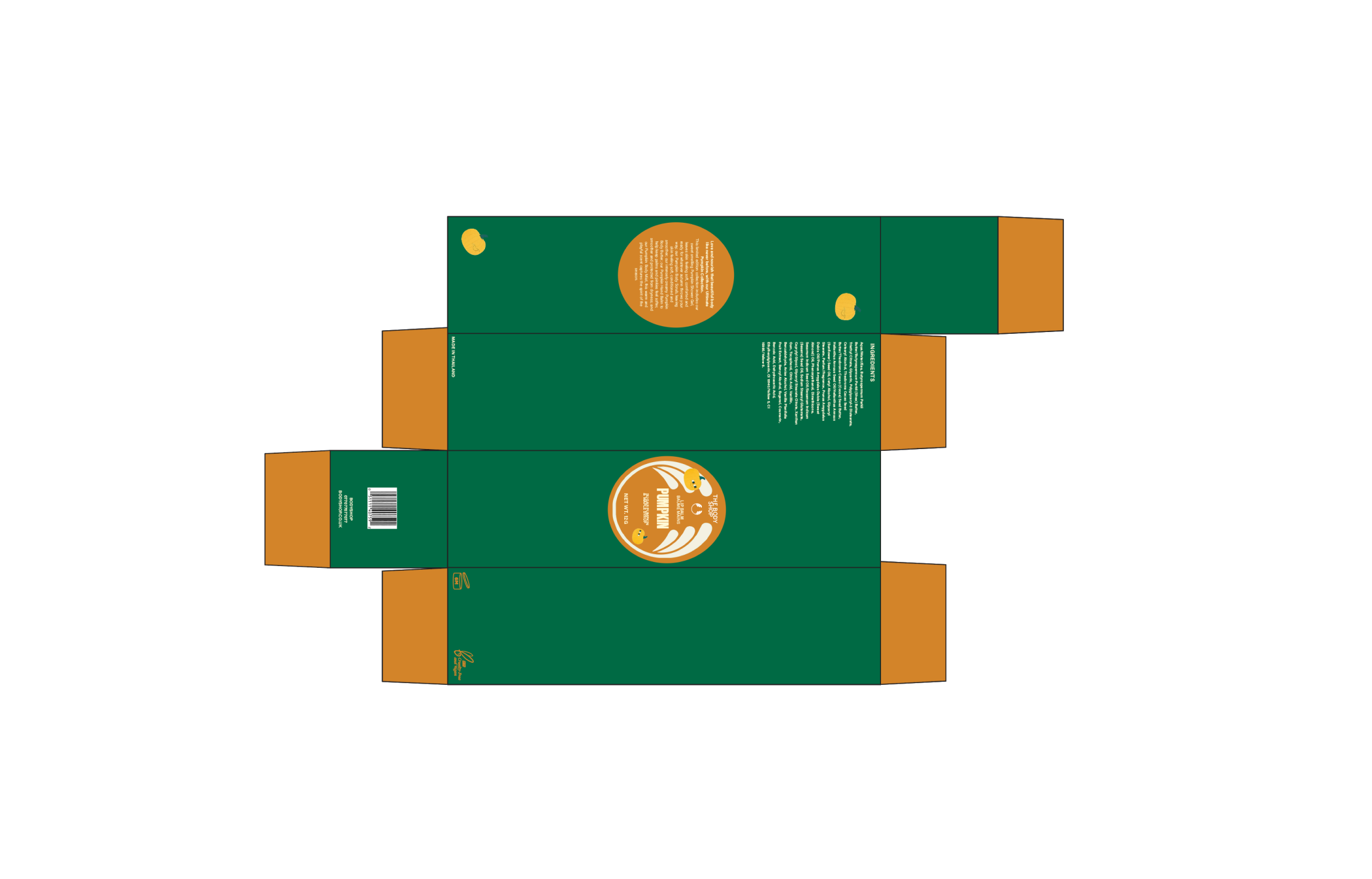
Net Boxes

https://assets.adobe.com/id/urn:aaid:sc:EU:65f67e4c-0e80-4bcc-bdc4-78e79e4edb76?view=published

Lorem ipsum dolor sit amet, consectetur adipiscing elit. Ut elit tellus, luctus nec ullamcorper mattis, pulvinar dapibus leo.

Brand Boards

Lorem ipsum dolor sit amet, consectetur adipiscing elit. Ut elit tellus, luctus nec ullamcorper mattis, pulvinar dapibus leo.

Augmented Reality (AR)

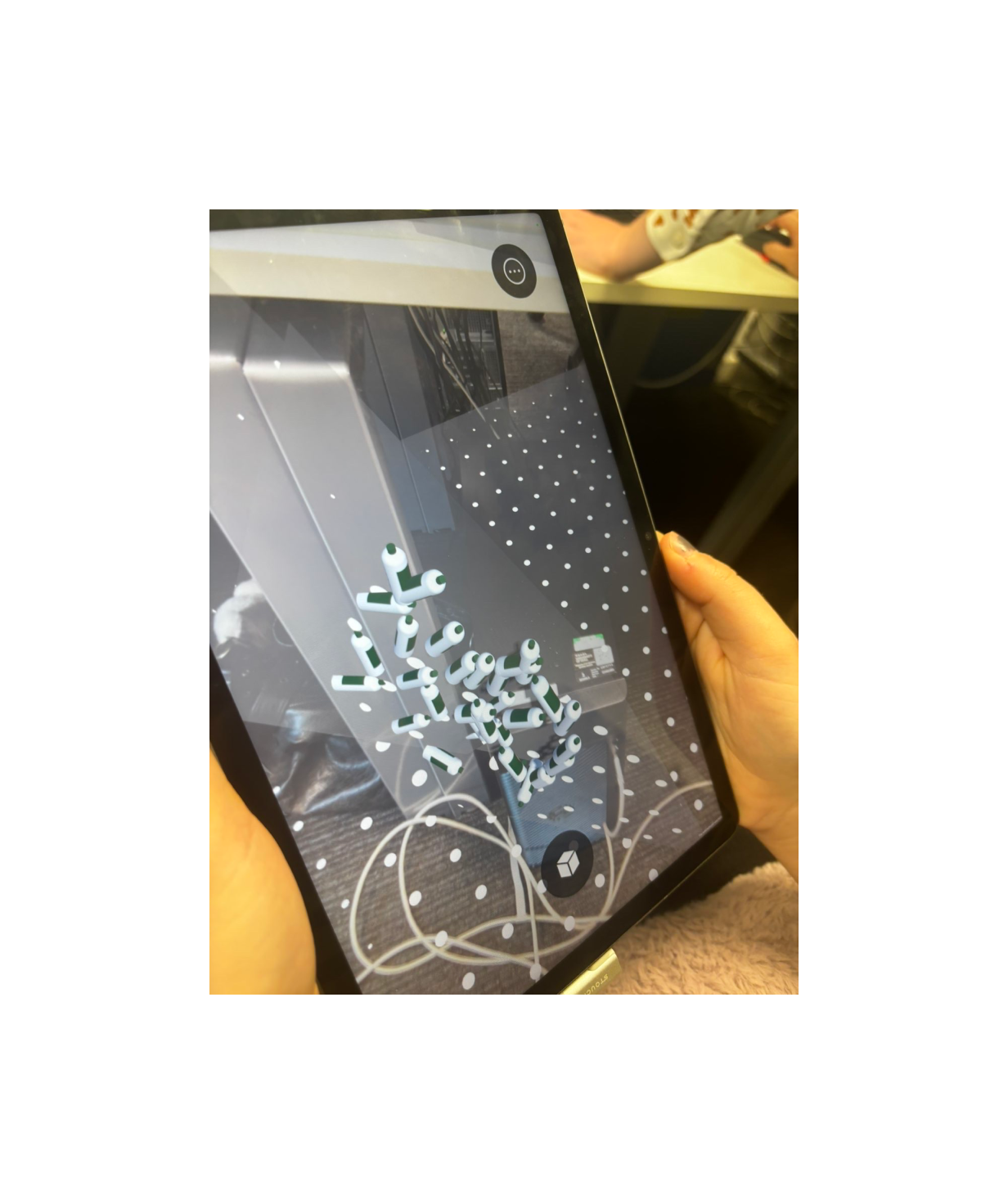
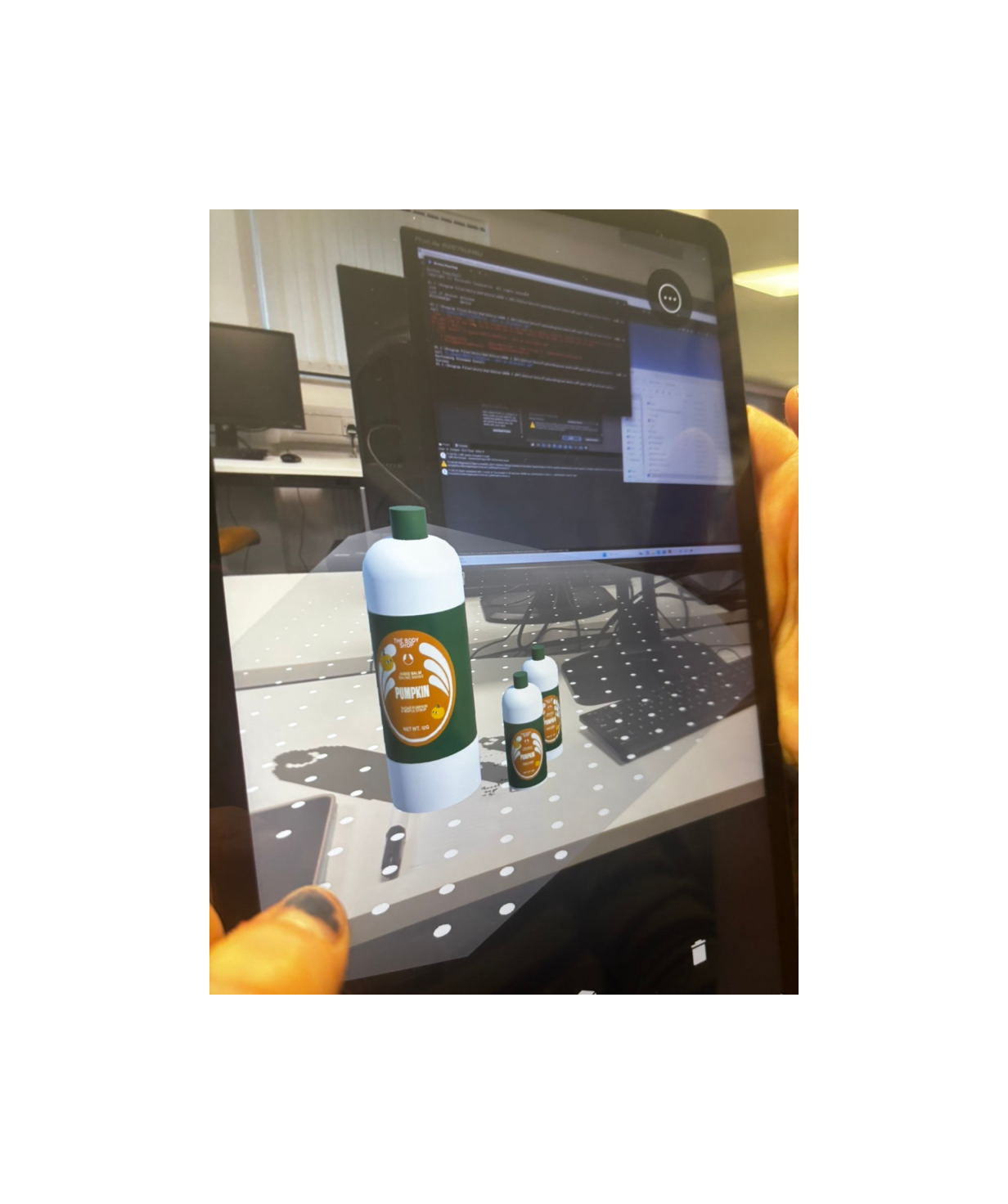
Unity AR

Lorem ipsum dolor sit amet, consectetur adipiscing elit. Ut elit tellus, luctus nec ullamcorper mattis, pulvinar dapibus leo.

Immersive Design

We had a lecture on immersive design and its uses. “Immersive design is the art of creating spaces that pull you in. That layer of physicality, technology, and story in a way that feels seamless.” (Figure 2) Therefore, Immersive design is a digital experience for the user to be a part of, and we looked at this through some examples such as Meta glasses pop-up ads and an Augmented Reality Museum experience. 

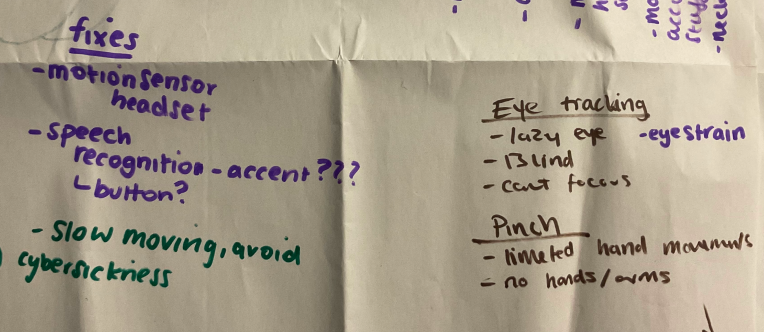
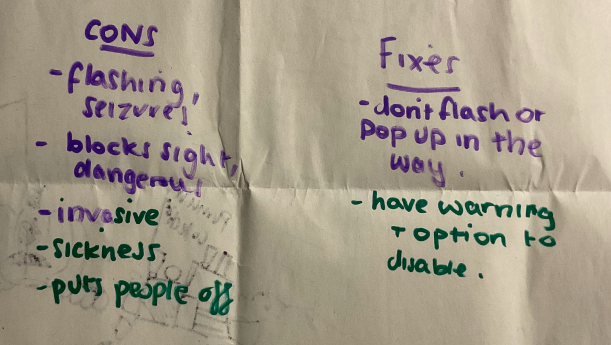
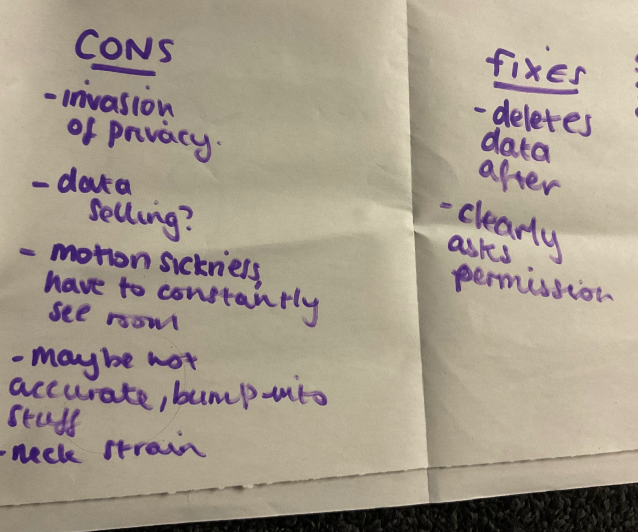
Through this activity, we focused on the accessibility constraints of immersive design.  As it’s an experience, there is much more to account for regarding accessibility such as physical limitations, hand movements and even motion sickness. It will be difficult to make it 100% accessible due to these factors, therefore, the design will never be fully inclusive which is a disadvantage of immersive design. 

I’ve attached the images above of the limitations and fixes that we worked on in class. Immersive design is a great new technology that can be very effective to offer the user an experience rather than just seeing a 2D piece of design. The advantages arguably do outweigh the negatives in this case, for example, if the user has an immersive experience, they are much more likely to remember it in comparison to conventional design methods. 

Immersive design also does have some limitations.  For example, having access to the needed equipment, “Some immersive formats, particularly VR, require headsets or dedicated equipment that not every audience can access or feels comfortable using.” (Figure 3) This would likely not be an issue for a large-scale company like Bodyshop although, it would likely only be a possibility in limited store locations (e.g. London) due to access.  

 Although, I could instead use an app/QR code to create an Augmented reality. For example, an app that scans the user’s skin and recommends a product. This is more accessible for a big brand with multiple store locations. 

Regarding my chosen brand Bodyshop, I may utilise some immersive design however, I must cooperate with the key values of Bodyshop which focus on sustainability. Although immersive design has quite a clear environmental footprint, this can be combated through raising awareness which the Bodyshop already do with their ‘sustainability commitments’. 
References

SmartApp Framer Review: A Detailed Look at Pros, Cons, and Features (2024)

Framer Review: A Detailed Look at Pros, Cons, and Features

(Accessed 23rd October 2026)